 HWAMDA
Define the preform
Confirm weight, neck finish, resin, color, cavity count and quality targets.

PET injection molding
Learn the PET injection molding process from resin drying and plasticizing to mold cooling, preform inspection and machine selection.

PET PROCESS GUIDE
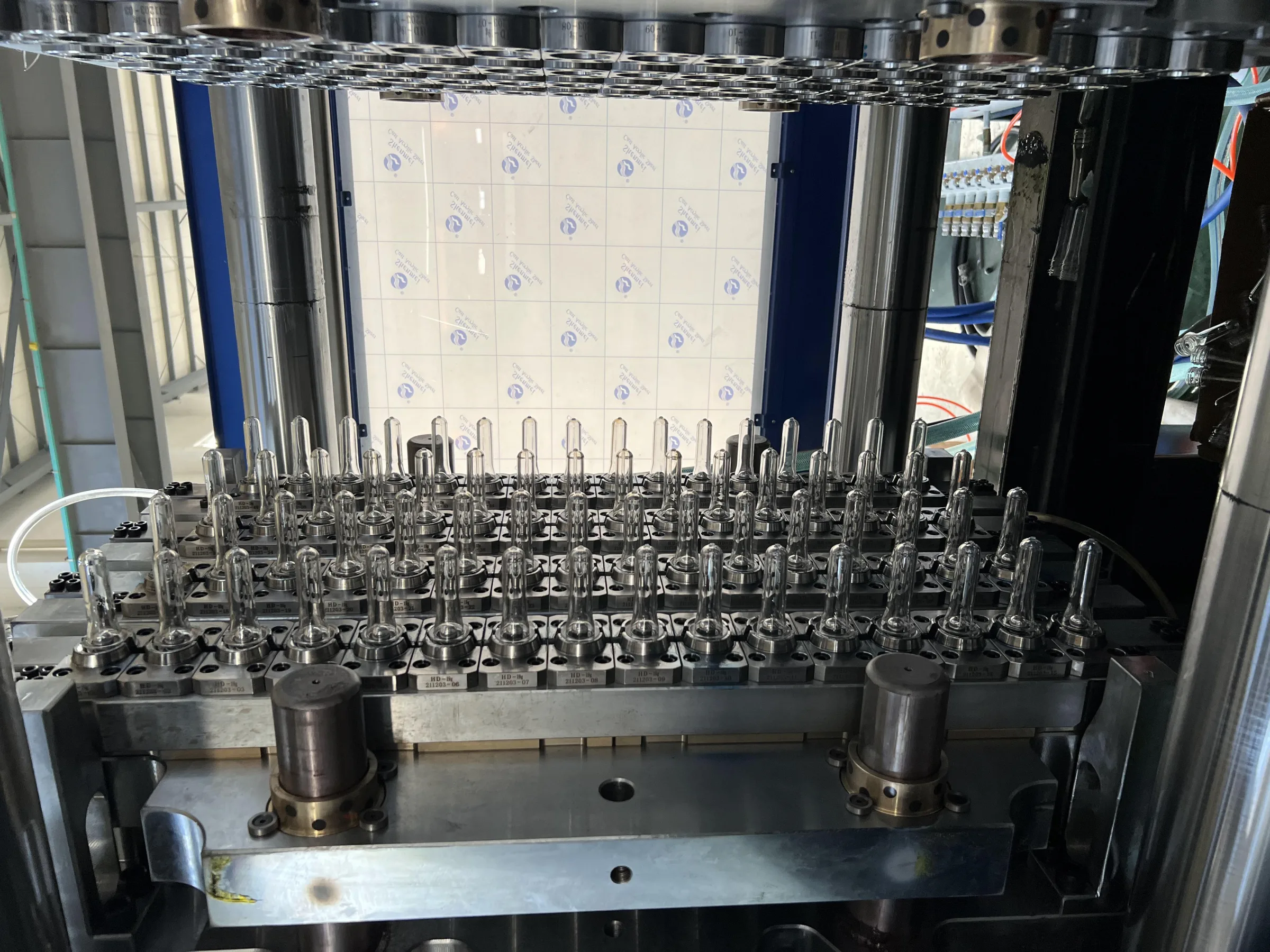
PET injection molding is a manufacturing process in which properly conditioned polyethylene terephthalate resin is plasticized and injected into a cooled mold. In preform production, the molded part keeps a finished neck while the body is later reheated and stretch-blow molded into a bottle or container. Resin preparation, plasticizing, filling, holding, cooling and part removal must therefore work as one controlled system.
PET PROCESS GUIDE
The exact settings depend on the resin, preform and mold. This sequence shows the production logic without presenting one universal recipe.
Confirm weight, neck finish, resin, color, cavity count and quality targets.
Prepare PET according to the resin supplier data and validated plant conditions.
Use a PET-appropriate screw and controlled barrel conditions to prepare a stable melt.
Fill the cavities consistently and apply the validated holding profile.
Balance mold cooling with the target cycle and preform quality requirements.
Handle preforms without damage and check weight, dimensions, gate and appearance.
PET MATERIAL PROPERTIES
Bottle-grade PET combines clarity, strength and barrier performance, but it is also sensitive to moisture, excessive heat history and contamination. Those characteristics explain why material storage, drying, residence time, mold cooling and housekeeping are treated as process variables rather than secondary details.
PET absorbs moisture from the surrounding air, so the material must be protected before and after drying.
Excessive temperature or residence time can contribute to discoloration, degradation and unstable quality.
The validated thermal and cooling window must support the required transparency and preform structure.
Foreign material, dust, degraded resin and incompatible regrind can become visible defects in clear preforms.
MATERIAL PREPARATION
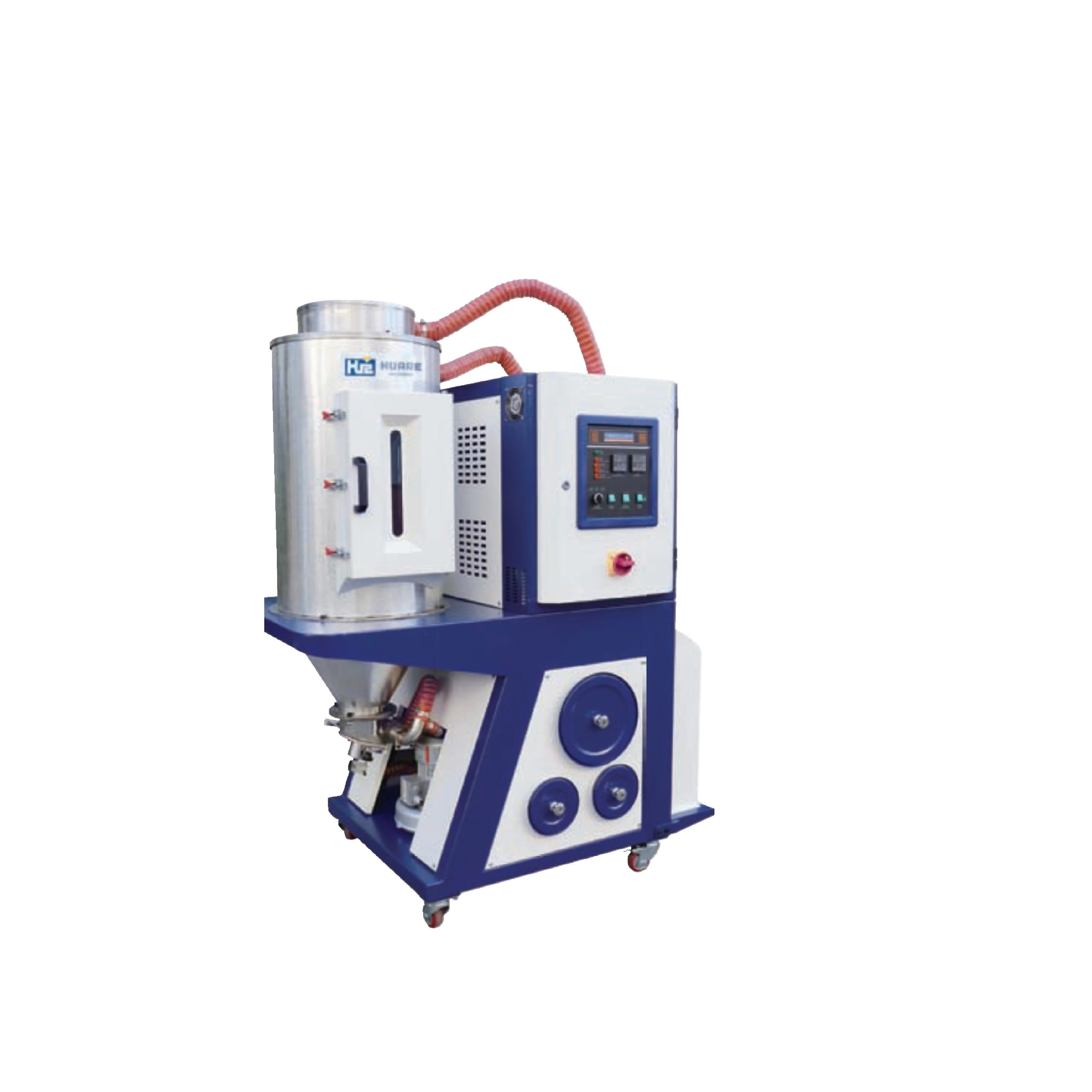
PET can absorb moisture from the environment. Inadequate drying may contribute to loss of material performance, surface defects and unstable preform quality. Final drying conditions must follow the selected resin supplier data and the validated production process.
Confirm the bottle-grade PET resin and supplier process window
Control moisture before the resin reaches the machine
Use closed conveying to reduce contamination and moisture regain
Record validated drying and production conditions
MATERIAL PREPARATION
Drying temperature, time, air dew point, airflow and acceptable residual moisture depend on the selected resin and the drying equipment. Use the resin supplier data as the starting point, then validate the complete material path under real plant conditions.
Store and open PET packaging in a way that limits moisture pickup and contamination
Verify dryer capacity against material consumption, residence time and hopper volume
Monitor the relevant drying conditions instead of relying only on the controller setpoint
Keep conveying closed and minimize the distance and delay between drying and plasticizing
PROCESS CONTROL
PET processing cannot be reduced to one temperature or cycle-time value. The resin, preform geometry, mold, injection unit, cooling and handling system influence one another.
Resin grade, moisture control, additives, color and residence-time limits.
Screw selection, melt preparation, recovery stability and thermal control.
Cavity balance, hot runner, gate, venting, cooling and ejection.
Preform weight, cavity count, cycle, hourly output and inspection plan.
PROCESSING CONDITIONS
A PET process sheet should define a validated window, not copy one universal temperature from another job. Resin grade, screw design, shot utilization, hot runner, preform geometry, cavity count and cycle target all influence the usable settings.
Start from the current resin supplier recommendations for drying and processing.
Review feed, barrel, nozzle, hot-runner and mold conditions together with actual melt behavior.
Validate injection speed, pressure limits, transfer and holding against cavity balance, gate quality and weight stability.
Check screw recovery, back pressure, shot utilization and residence time under continuous production.
MOLD REQUIREMENTS
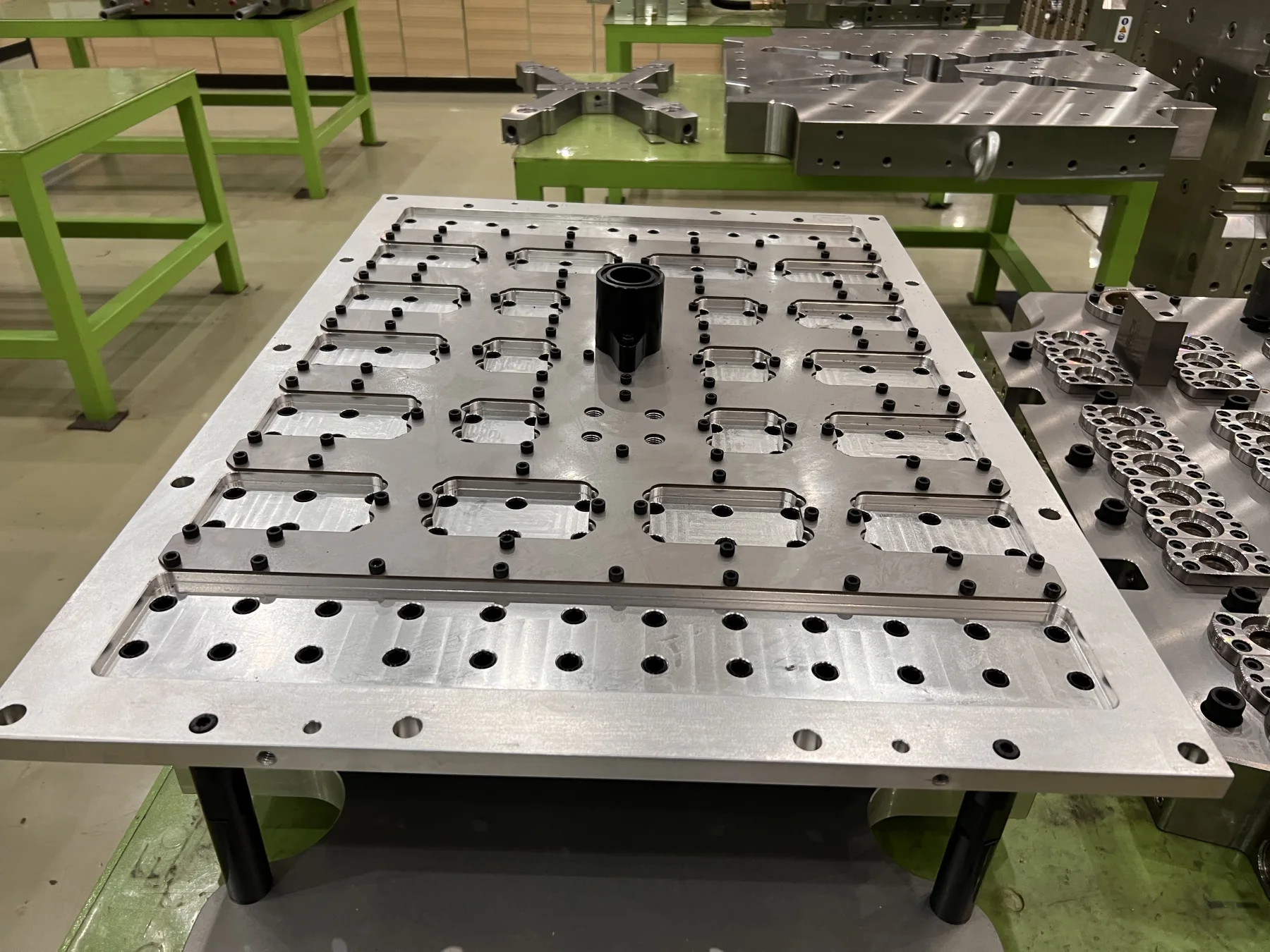
For PET preforms, mold performance depends on balanced filling and controlled heat transfer across every cavity. The hot runner, gate, venting, cooling, neck split, ejection and machine interface should be reviewed as one mold system.
Balanced melt distribution and stable hot-runner temperature control
Gate geometry and valve timing appropriate to the preform and acceptance target
Cooling circuits designed for repeatable cavity-to-cavity heat removal
Reliable neck, core and ejection movement without marking or deforming the preform
COOLING REQUIREMENTS
Cooling is not simply a chiller selection. Water temperature, flow, pressure, circuit balance, mold condition and condensation control determine how consistently heat leaves the mold. A shorter cycle is useful only when the preform still meets the agreed quality criteria.
Confirm chiller capacity for the mold, machine and real ambient conditions
Review flow and temperature consistency across all mold circuits
Prevent condensation where low water temperature meets warm or humid plant air
Validate cycle changes with preform dimensions, appearance and downstream blowing performance
COMMON PROBLEMS
A visible problem can have more than one cause. Review material preparation, machine settings, mold condition and handling evidence before changing the process.
Review resin condition, thermal history, contamination and cooling.
Check moisture control, material handling, plasticizing and venting.
Inspect contamination, residence time, dead spots and cleaning condition.
Review shot stability, holding, cavity balance, cooling and inspection method.
Review gate condition, hot-runner control, decompression and part-release timing.
Check mold condition and clamping together with filling balance, pressure and venting.
PET PREFORM INJECTION MOLDING
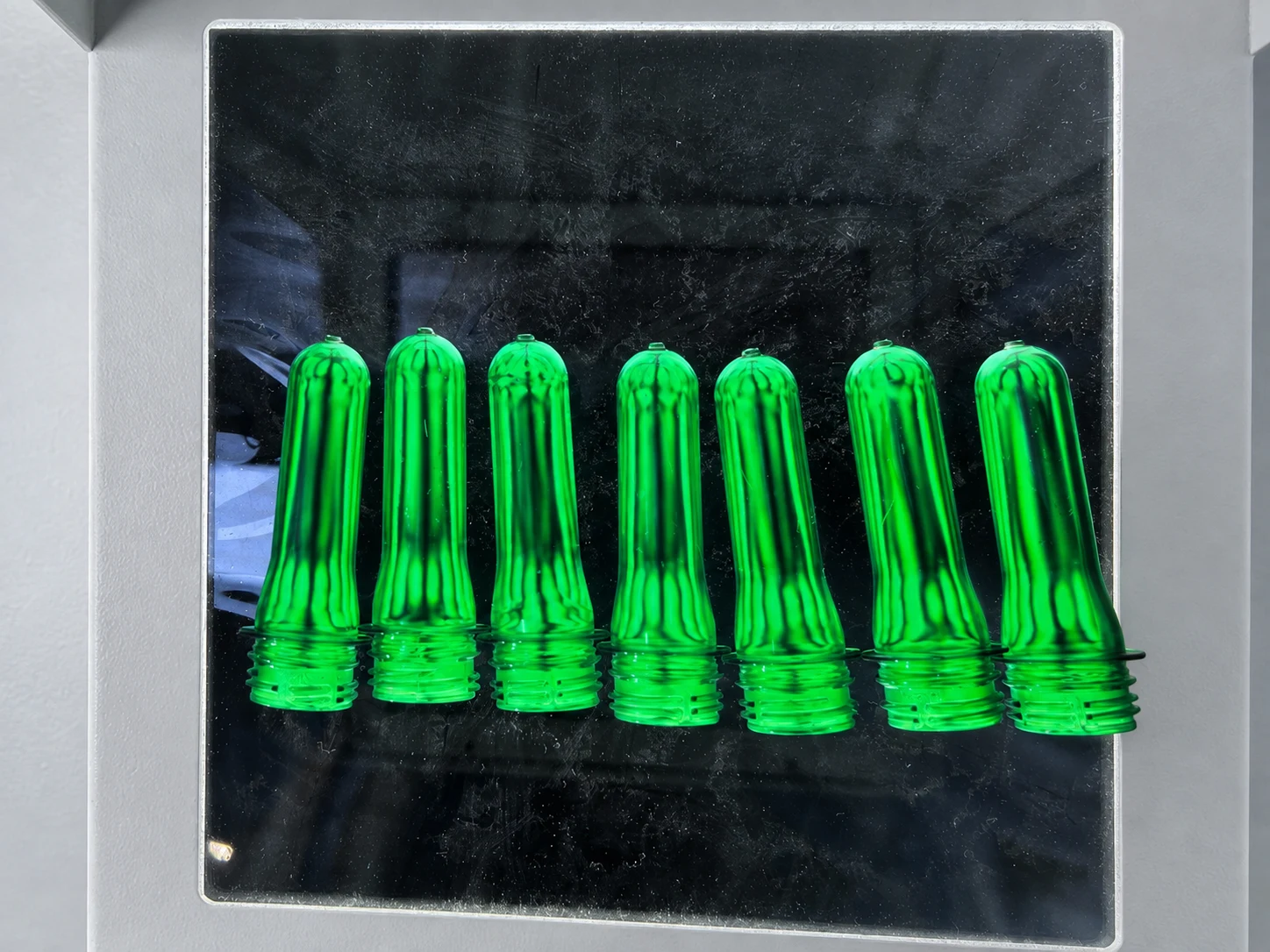
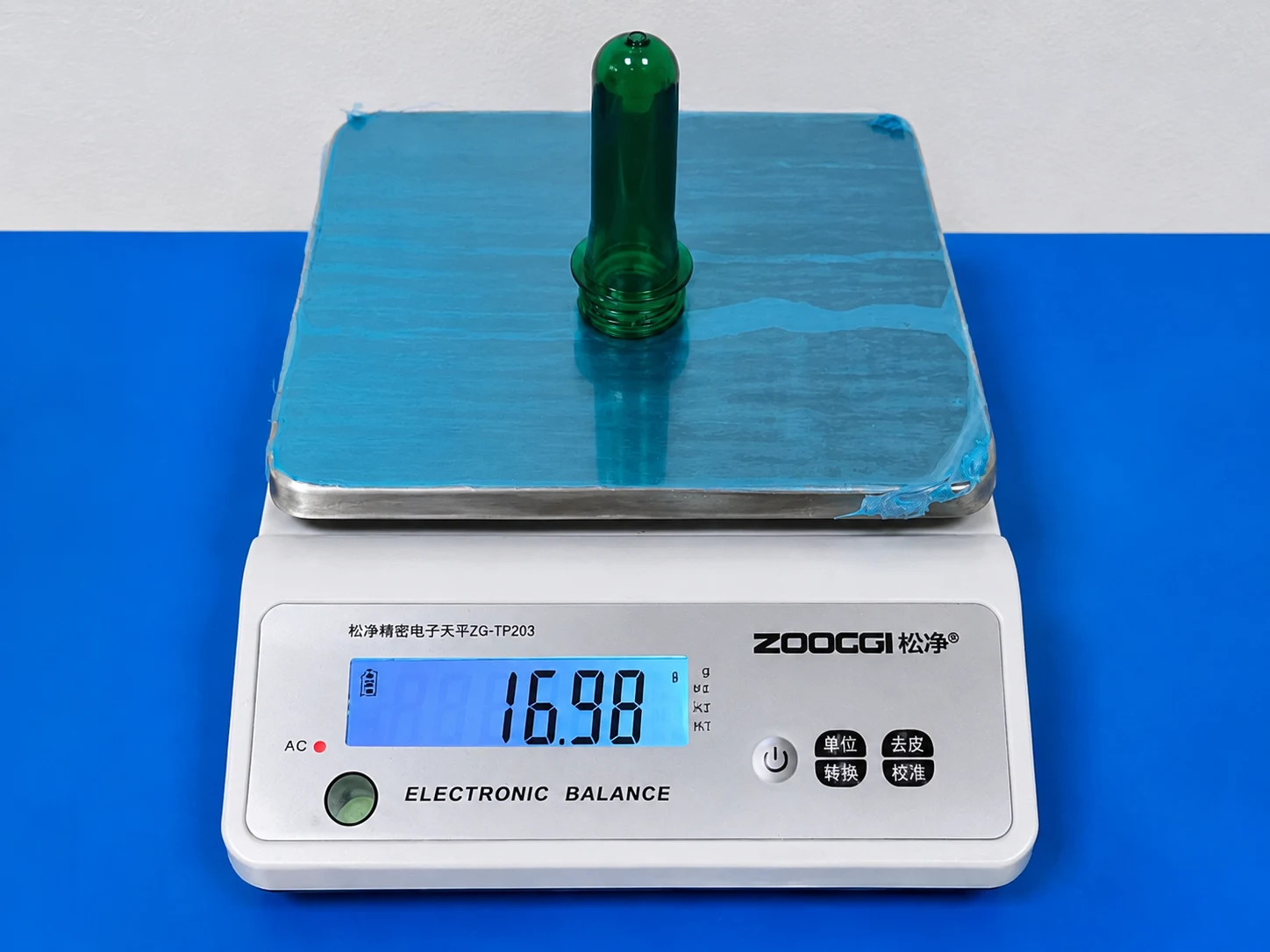
A PET preform is not a small finished bottle. Its neck finish is molded to final form, while its body stores the material distribution required for reheating and blowing. Injection-stage decisions therefore affect both the preform inspection result and the performance of the later bottle-making process.
Weight and distribution: Shot and holding stability influence total weight and how material is distributed along the preform.
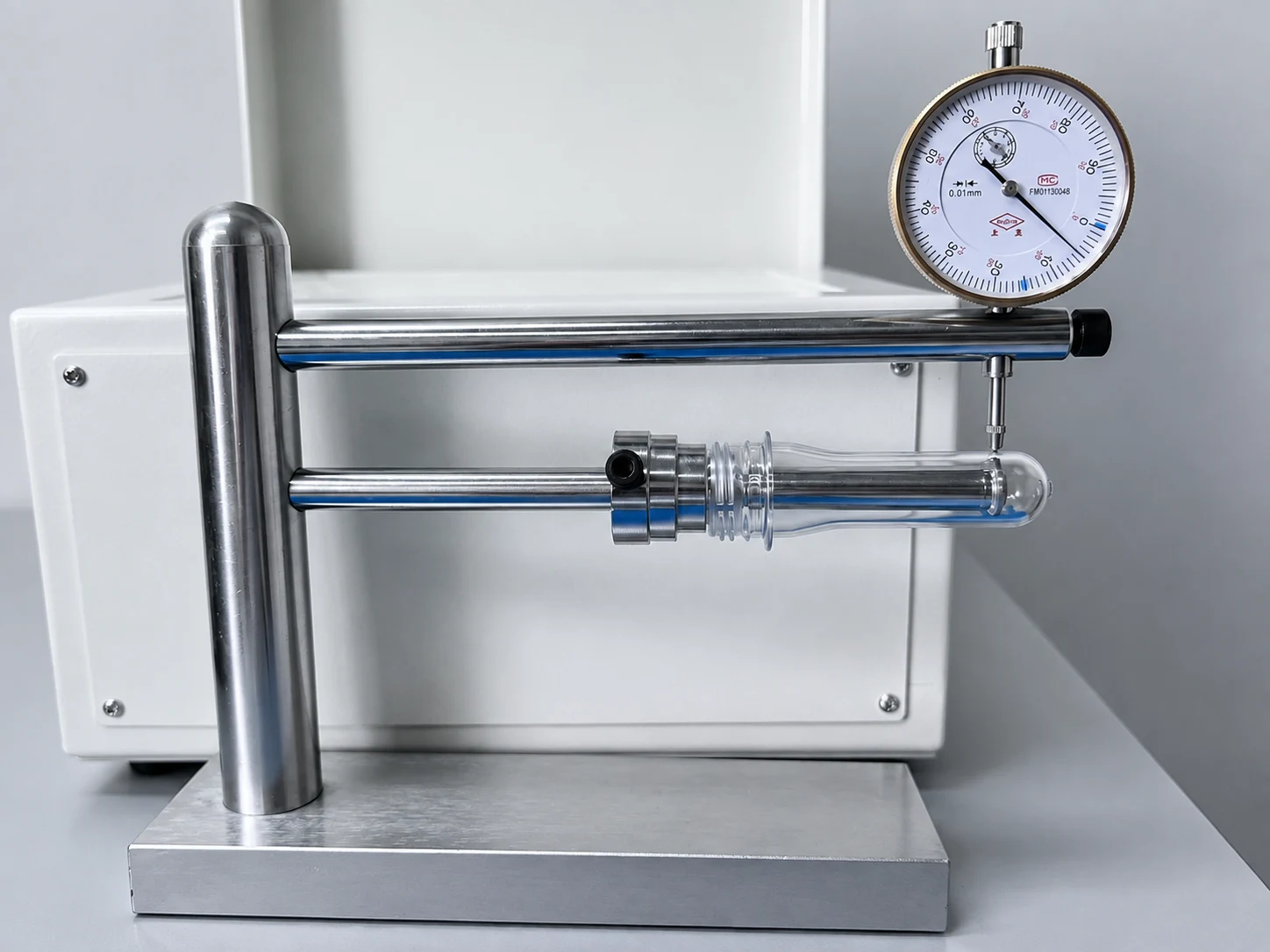
Neck finish: Dimensions, thread detail and sealing surfaces must remain within the agreed standard.
Gate quality: The gate area should be checked for visual, dimensional and handling requirements.
Downstream performance: Validated samples should be assessed against the intended reheating and blow-molding process when applicable.
PROCESS CONTROL
The machine must be matched to shot requirement, plasticizing demand, injection rate, mold envelope, cavity count, cycle target and utilities—not selected from clamping force alone.
Review PET preform machinesShot capacity and injection unit matched to preform weight and cavity count
Plasticizing capacity and screw recovery matched to the target cycle
Injection response and control matched to filling and holding requirements
Platen, tie bars, opening, ejection and utilities matched to the mold
FAQ
It is the process of melting conditioned PET resin and injecting it into a mold. In preform production, the molded preform is later reheated and blow molded into the final container.
PET can absorb moisture. Drying and dehumidification help protect material performance and support stable appearance and mechanical properties. Follow the resin supplier data and the validated process.
There is no single value suitable for every resin, preform and machine. Barrel, hot-runner, mold and drying conditions must follow the material data and be validated for the actual project.
Possible causes include resin moisture or contamination, thermal history, unstable plasticizing or injection, hot-runner and cooling imbalance, mold condition and handling.
Selection starts with preform weight and neck finish, resin, mold cavity count and dimensions, shot requirement, target cycle, utilities and handling.
No. Injection molding makes the preform. A separate blow molding process reheats and forms the preform into the final bottle or container.
Cooling removes heat from the preform and influences dimensional stability, part release and cycle consistency. Water temperature alone is not enough; capacity, flow, circuit balance, mold condition and condensation risk must also be reviewed.
The agreed inspection plan may include weight, dimensions, neck finish, gate, clarity, color, contamination, flash, bubbles, stress evidence and downstream blowing performance. The exact checks depend on the product and customer standard.
Send the information you already have. We can help structure missing technical inputs.