 HWAMDA
Preform
Weight, neck finish, drawing, resin and accepted quality criteria.
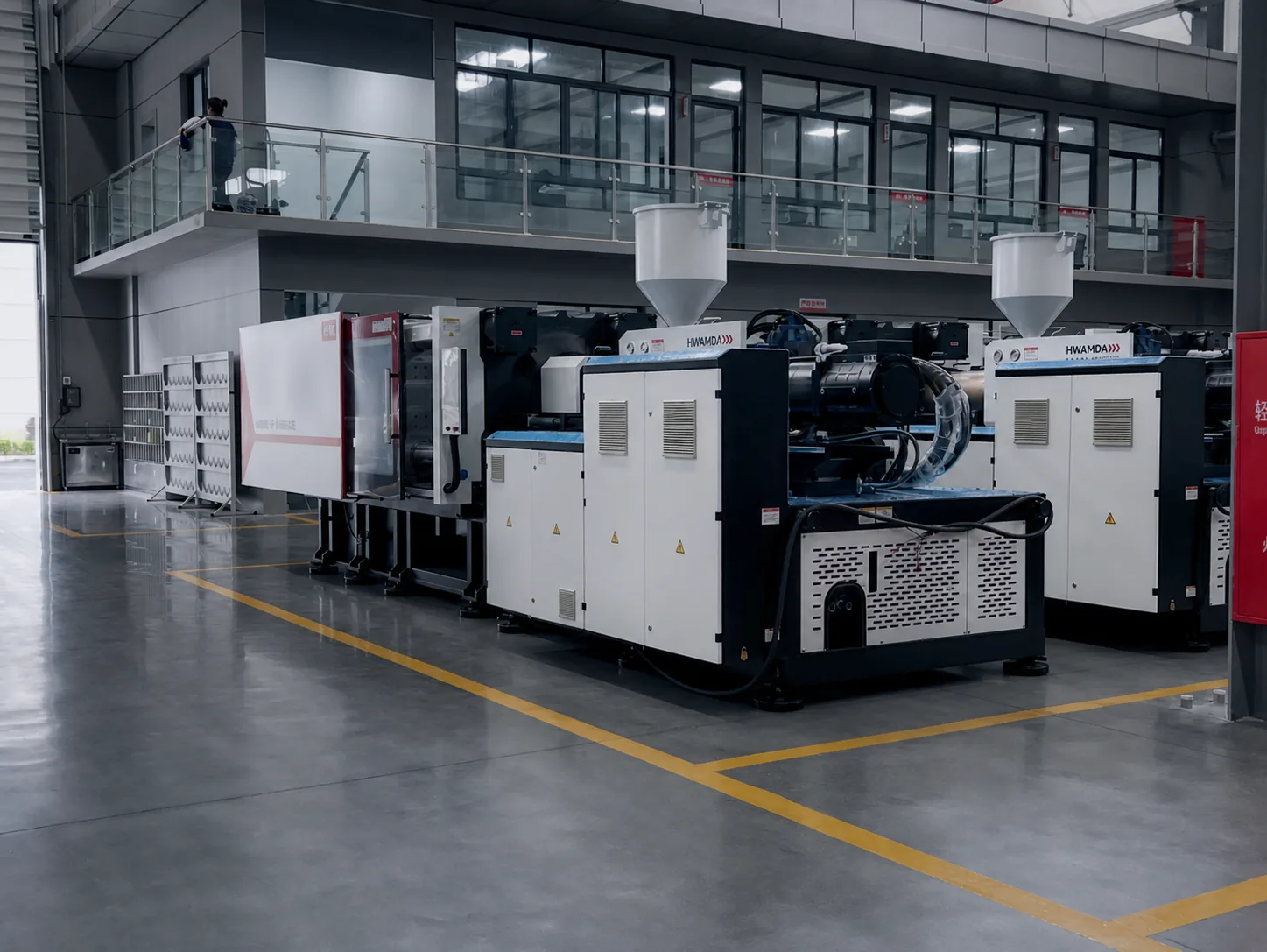
HWAMDA PET preform machines are configured around preform weight, neck finish, mold cavity count, target output and plant utilities.
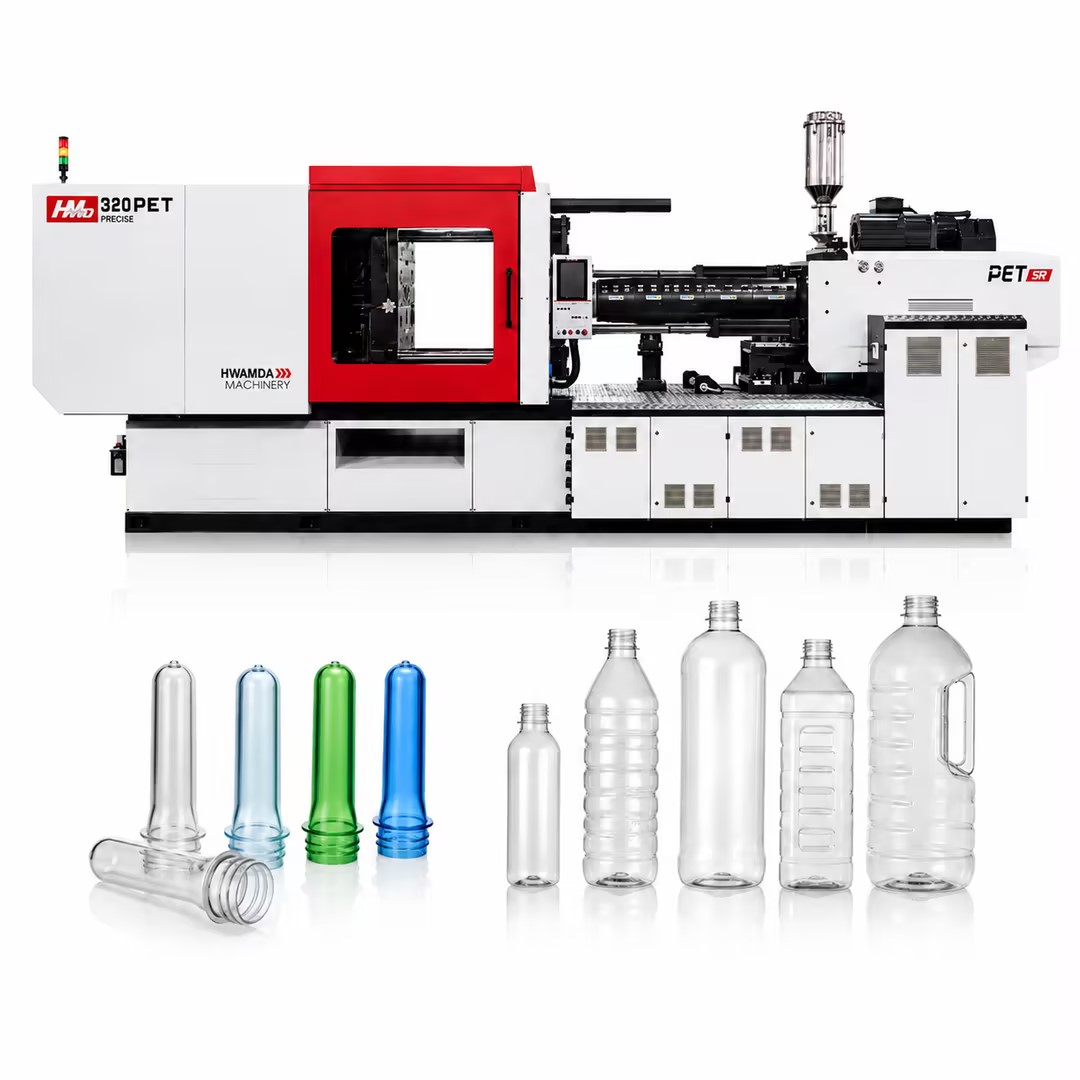
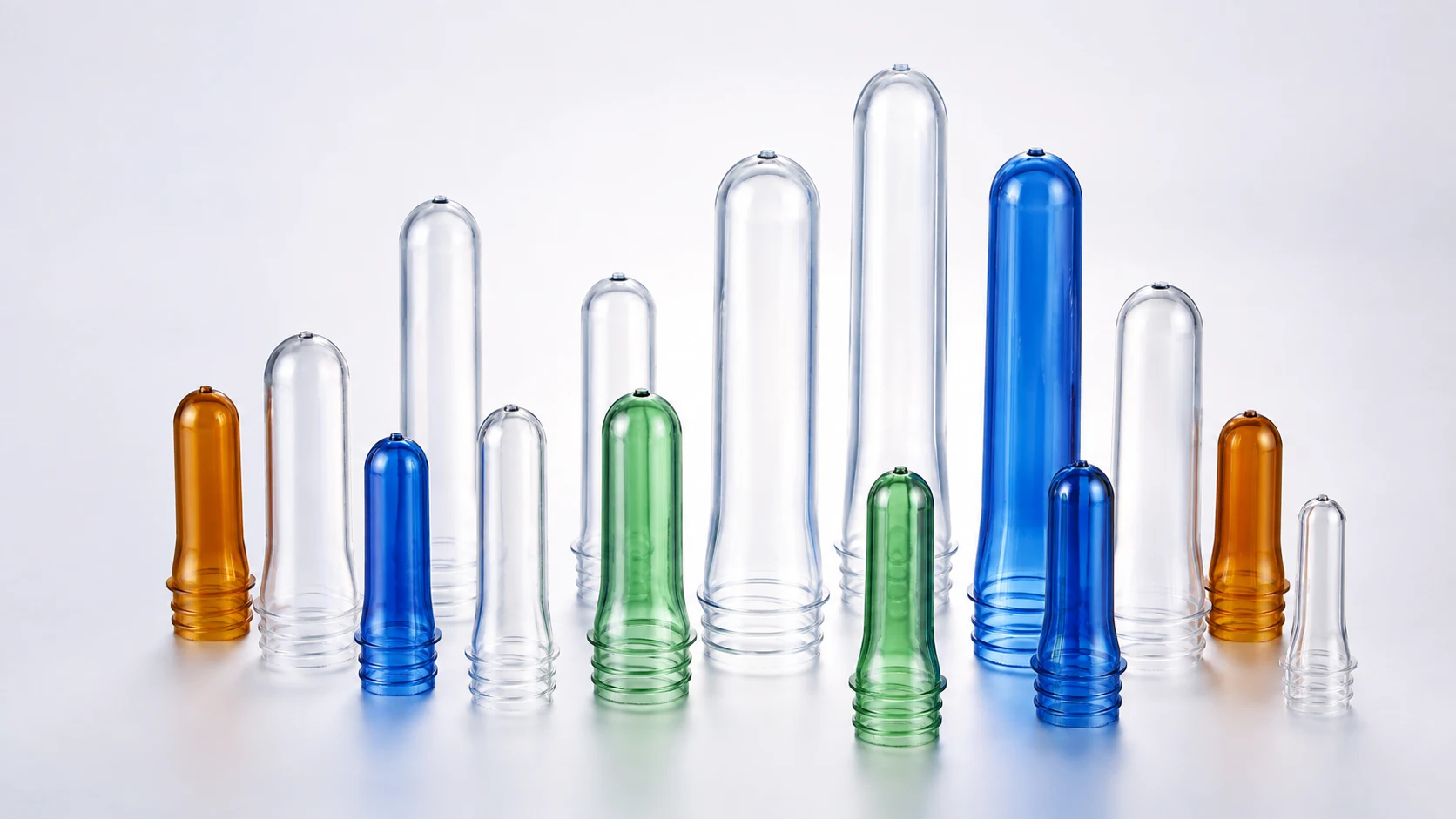
This PET bottle preform machine range covers 28 mm and other neck finishes for water, carbonated drinks, edible oil, wide-mouth jars and large-format containers. Final selection depends on preform weight, cavity count and target output.
Start with the preform and required output—not tonnage alone. HWAMDA checks the complete project data before recommending the machine and injection-unit configuration.
Weight, neck finish, drawing, resin and accepted quality criteria.
Cavity count, dimensions, hot runner, cooling and machine interfaces.
Target cycle, pieces per hour, take-out and downstream handling.
Voltage, drying, cooling water, compressed air and plant layout.
Compare five PET preform molding machine sizes, then match the injection unit to preform weight, cavity count and required output.
Each PET preform injection machine is based on the M8SII platform and configured for water, carbonated-beverage, edible-oil, wide-mouth and large-format preforms.
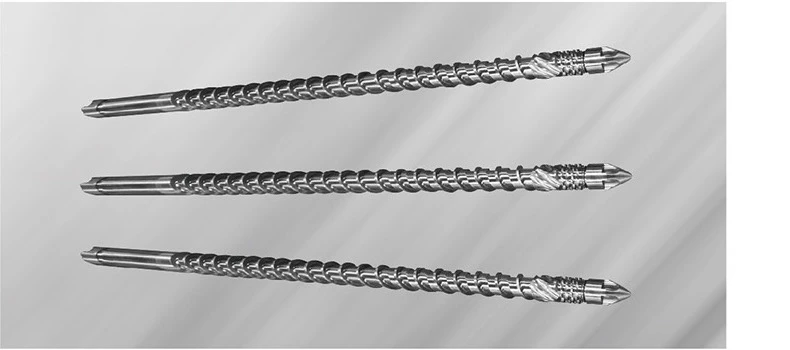
A dedicated screw ratio supports PET plasticizing and preform transparency.
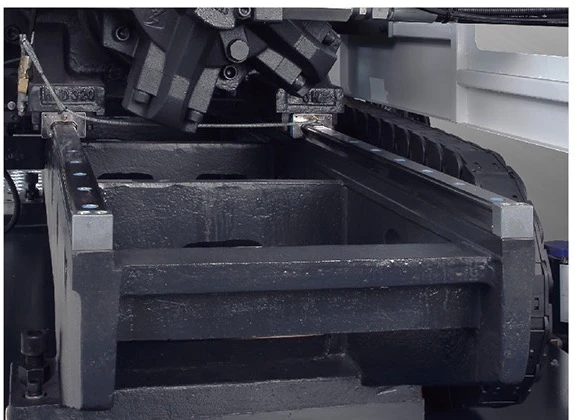
Linear guides balance movement and improve injection stability.
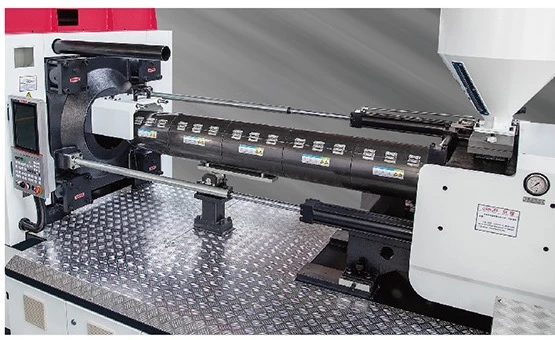
Twin injection cylinders reduce return resistance during high-pressure injection.
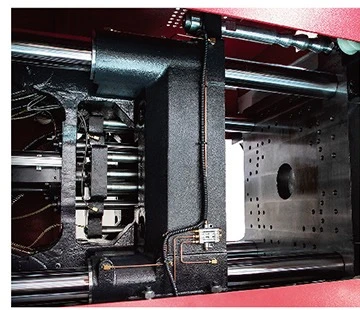
The clamping structure is designed for stable movement and broad mold accommodation.
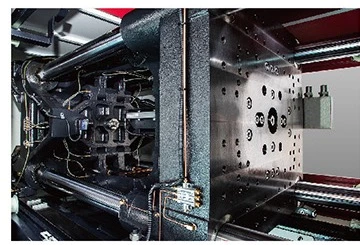
Longer stroke and higher ejector force support long and multi-cavity preform molds.
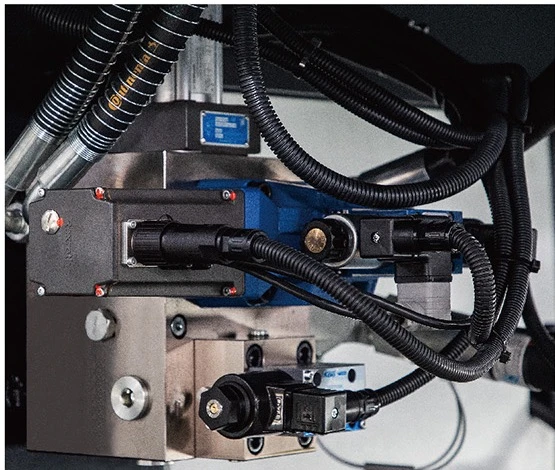
Quantitative lubrication and fixed-point delivery reduce oil loss and support reliability.
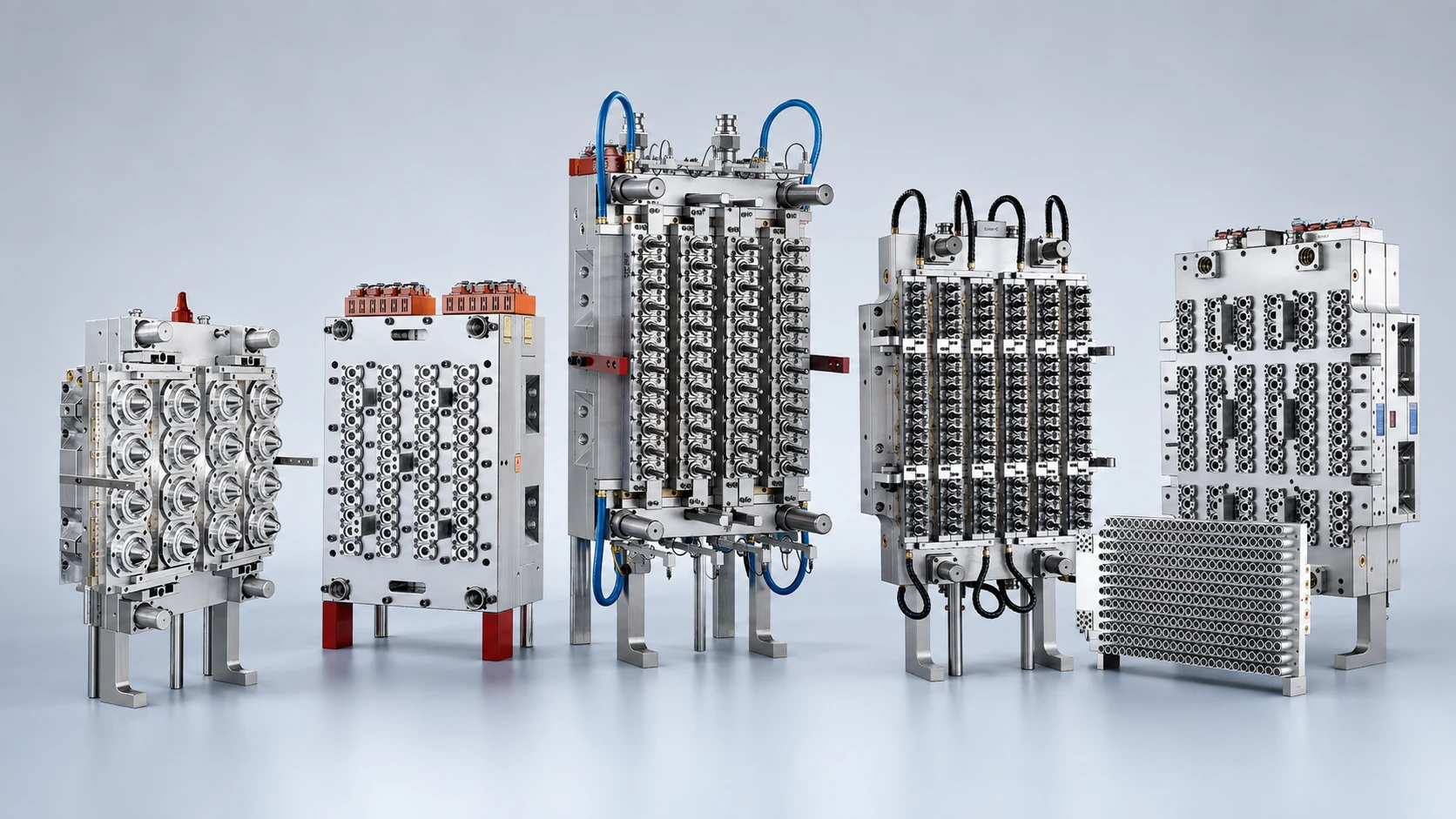
The machine range can be configured for 16-, 24-, 32-, 48-, 64-, 72- and 96-cavity preform molds, plus 28 mm neck, wide-mouth and large-format projects. Final model compatibility depends on more than clamping force.
There is no single cycle time for every PET project. Stable hourly output is estimated from the confirmed preform, mold, cooling system, machine recovery and handling sequence.
More cavities can increase hourly output, but also change shot size, mold size, cooling demand and investment.
Heavier preforms require more injection capacity, plasticizing capacity and cooling time.
Mold design, chilled-water temperature and flow strongly influence the stable cycle.
Robot motion and downstream transfer must keep pace without damaging hot preforms.
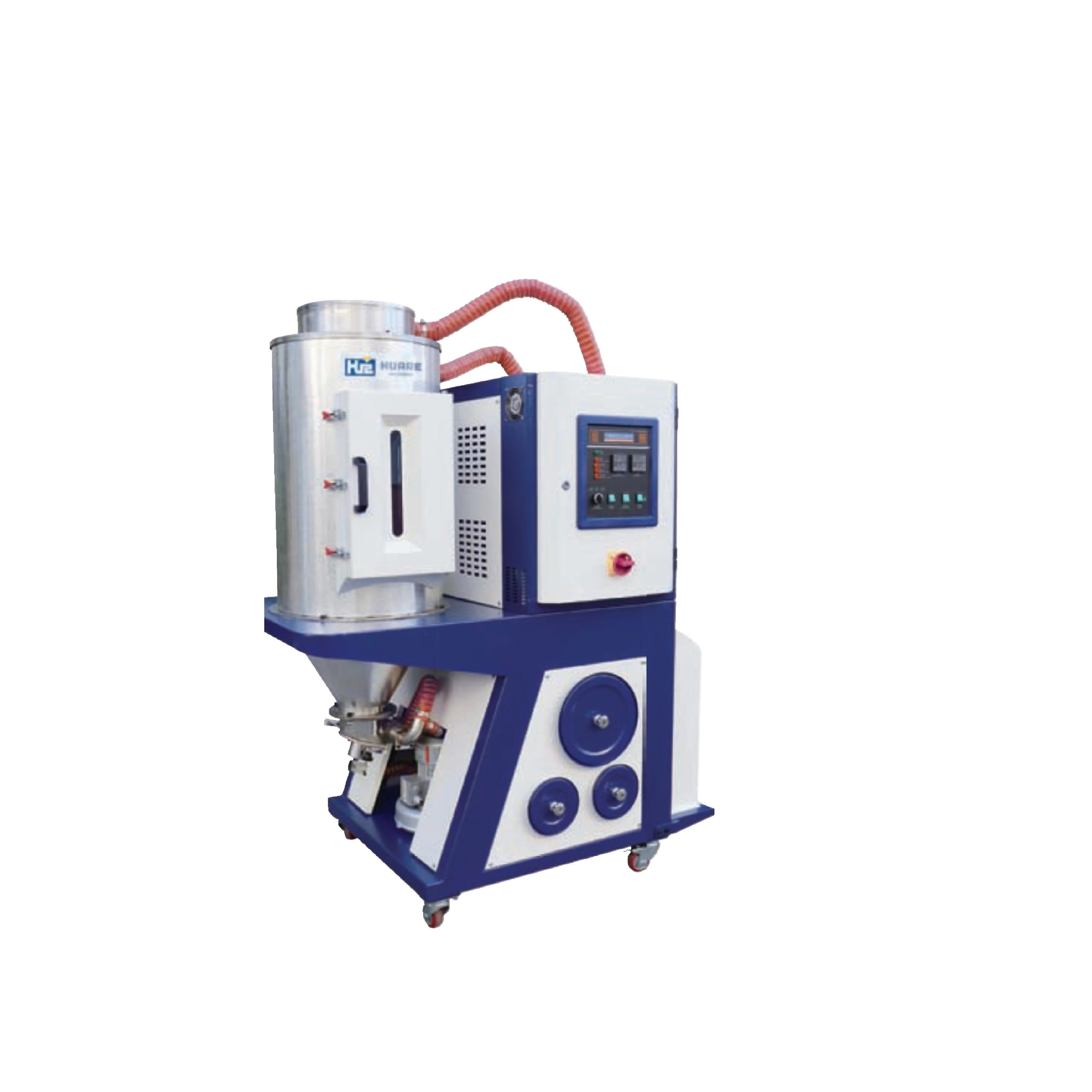
PET absorbs moisture from the air. The resin must be dehumidified, dried and conveyed under controlled conditions before it reaches the screw. Final settings must follow the resin supplier data and verified production conditions.
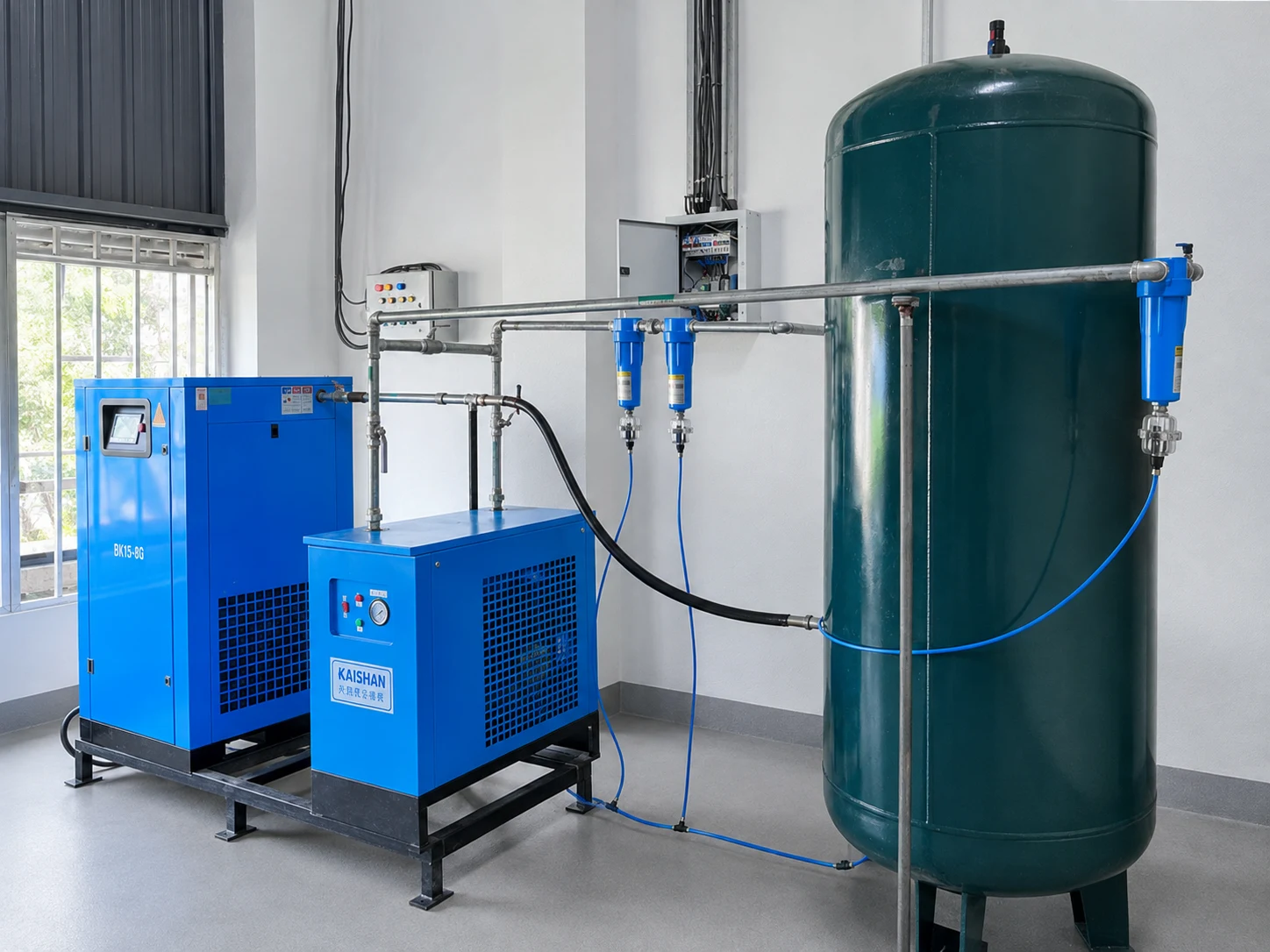
Auxiliary equipment is sized as part of the production cell. The final list depends on resin consumption, mold cooling demand, color dosing, compressed air, take-out and site conditions.
A three-in-one dehumidifying, drying and loading system prepares PET before plasticizing.
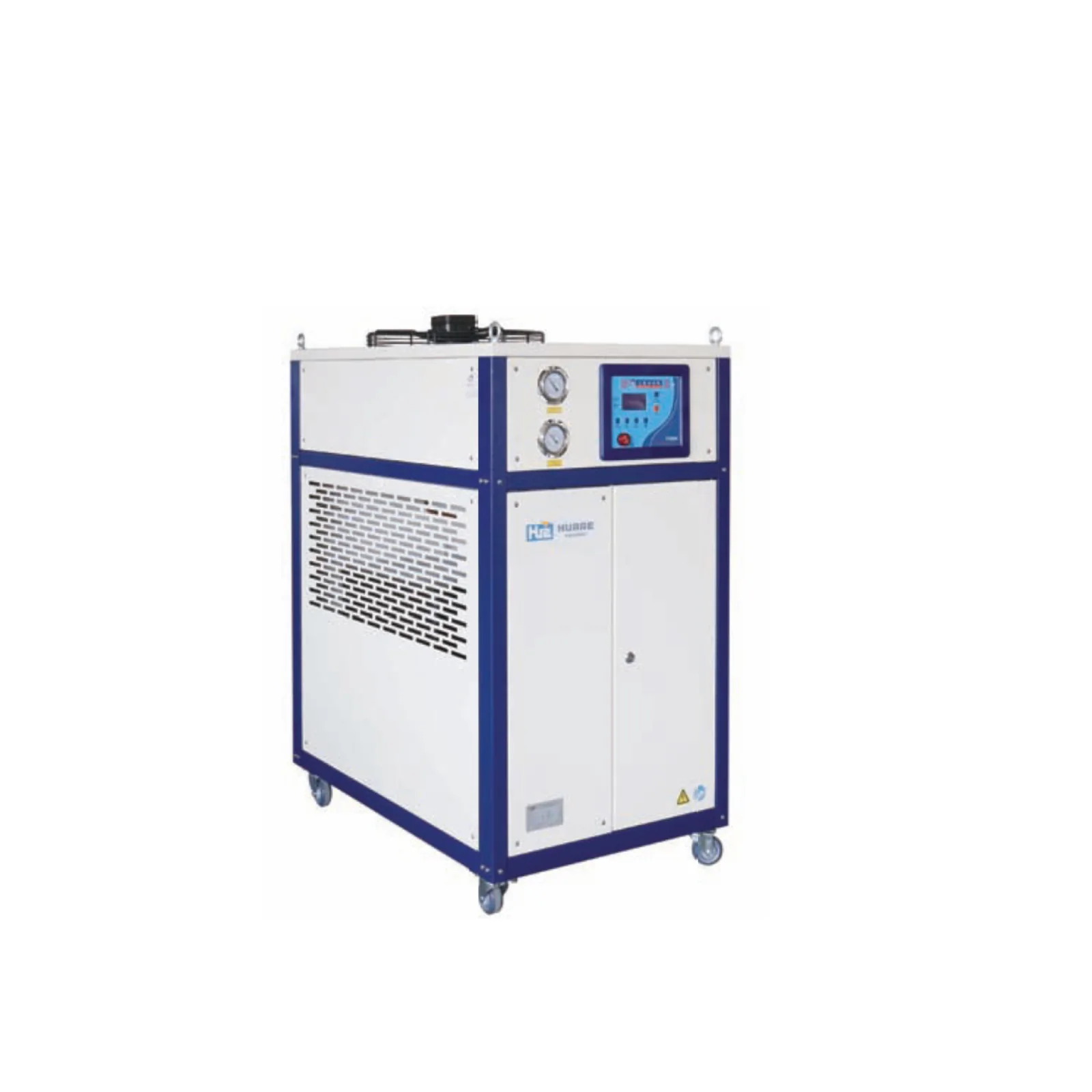
The industrial water chiller is matched to mold circuits, water temperature, flow and heat load.
Plant air supports the specified machine, valve and automation requirements.
Masterbatch dosing and robot handling are selected around color control and the production layout.
A complete PET preform production line connects the injection molding machine with resin preparation, mold cooling, masterbatch dosing, compressed air and take-out automation as one coordinated system.
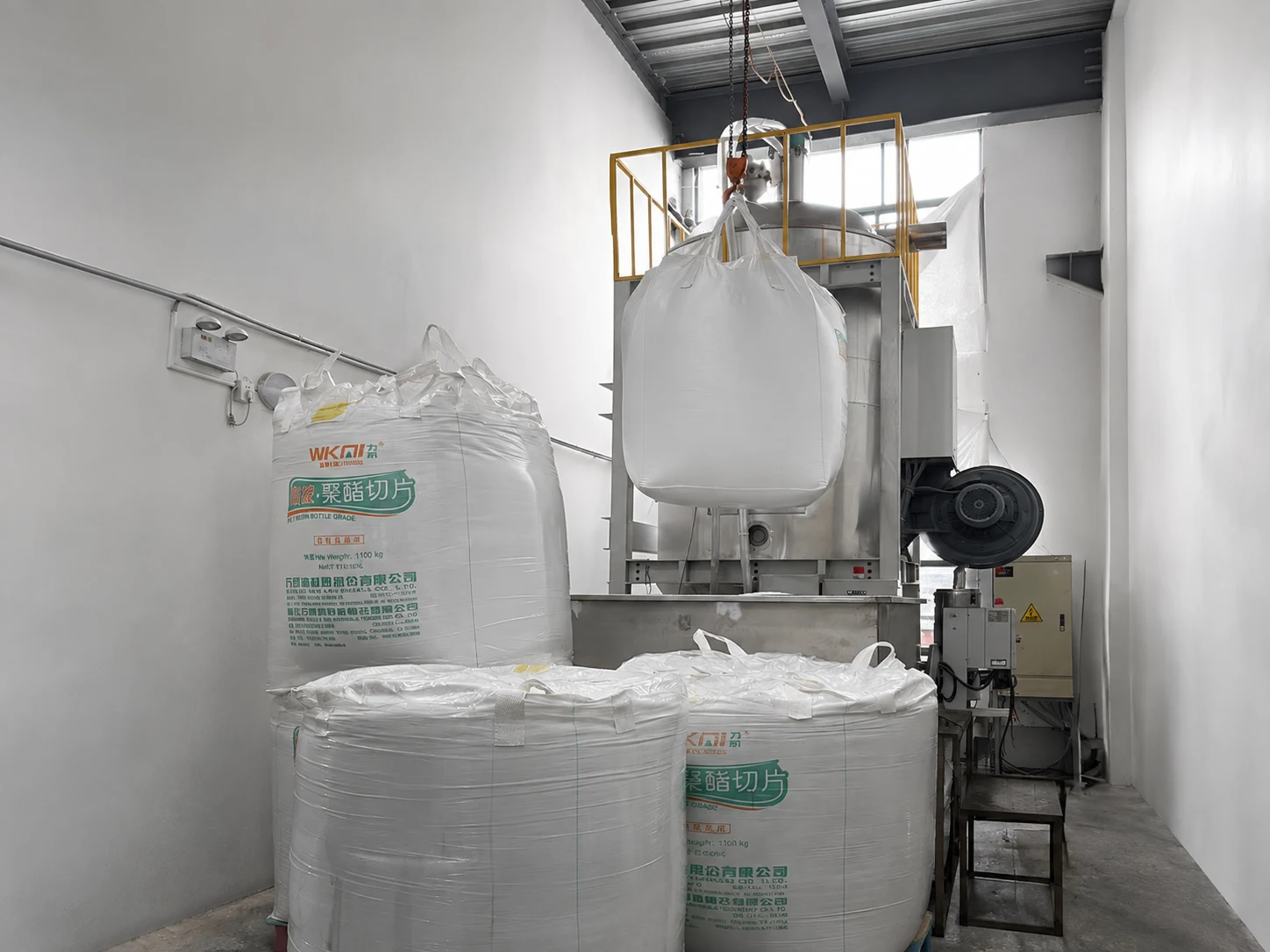
Confirm resin grade, intrinsic viscosity and the supplier process window.
Correct drying helps prevent splay, bubbles and loss of mechanical performance.
Closed material transfer helps reduce contamination and moisture regain.
Clarity, color, AA value and preform consistency should be agreed before trial.
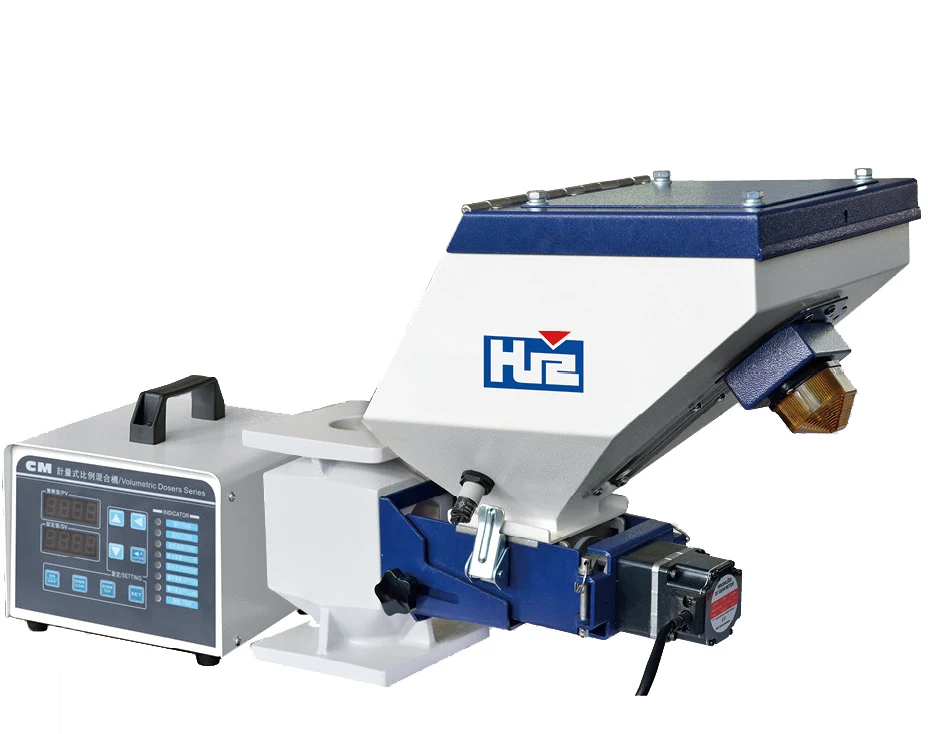
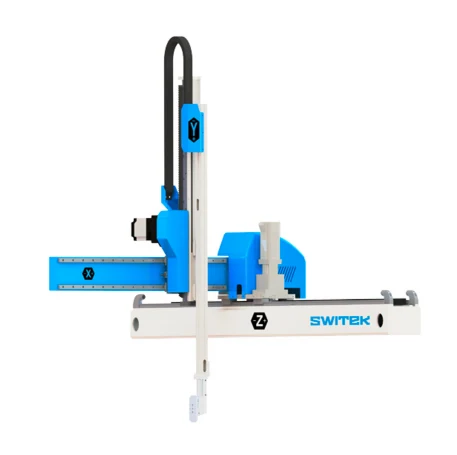
These are selectable catalogue items. The quotation should include only the functions required by the confirmed mold and process.
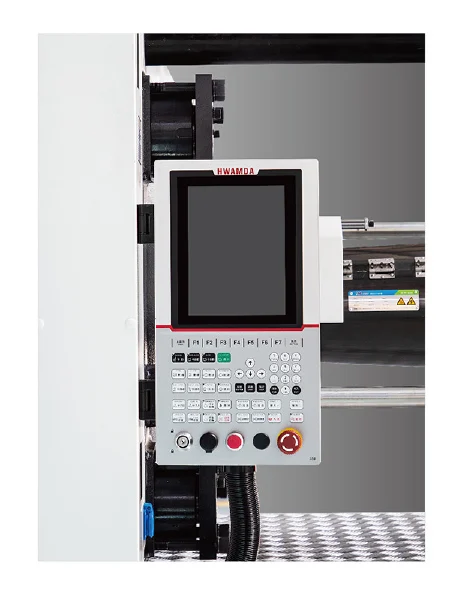
Fully enclosed clamping-area cover with mold dehumidifier.
Built-in cooling-water piping for a cleaner installation.
Photo-sensor confirmation helps protect the mold before the next cycle.
Selectable needle-valve modes with adjustable timing.
Reserved signals for conveying, packaging count and alarms.
Optional plasticizing and ejection synchronization for shorter cycles.
Price depends on the selected machine and injection unit, preform weight, mold cavity count, auxiliaries, automation, utilities, logistics and service scope.
Model size, screw diameter, shot requirement and plasticizing demand define the base configuration.
Cavity count, mold dimensions, hot runner, cooling and ejection affect the integration scope.
Drying, loading, dosing, cooling, compressed air and robot requirements are quoted as needed.
Destination, voltage, installation, trial, training, logistics and acceptance scope affect the final quotation.
Trial records and inspection images help buyers evaluate appearance, part weight and critical dimensions before shipment.
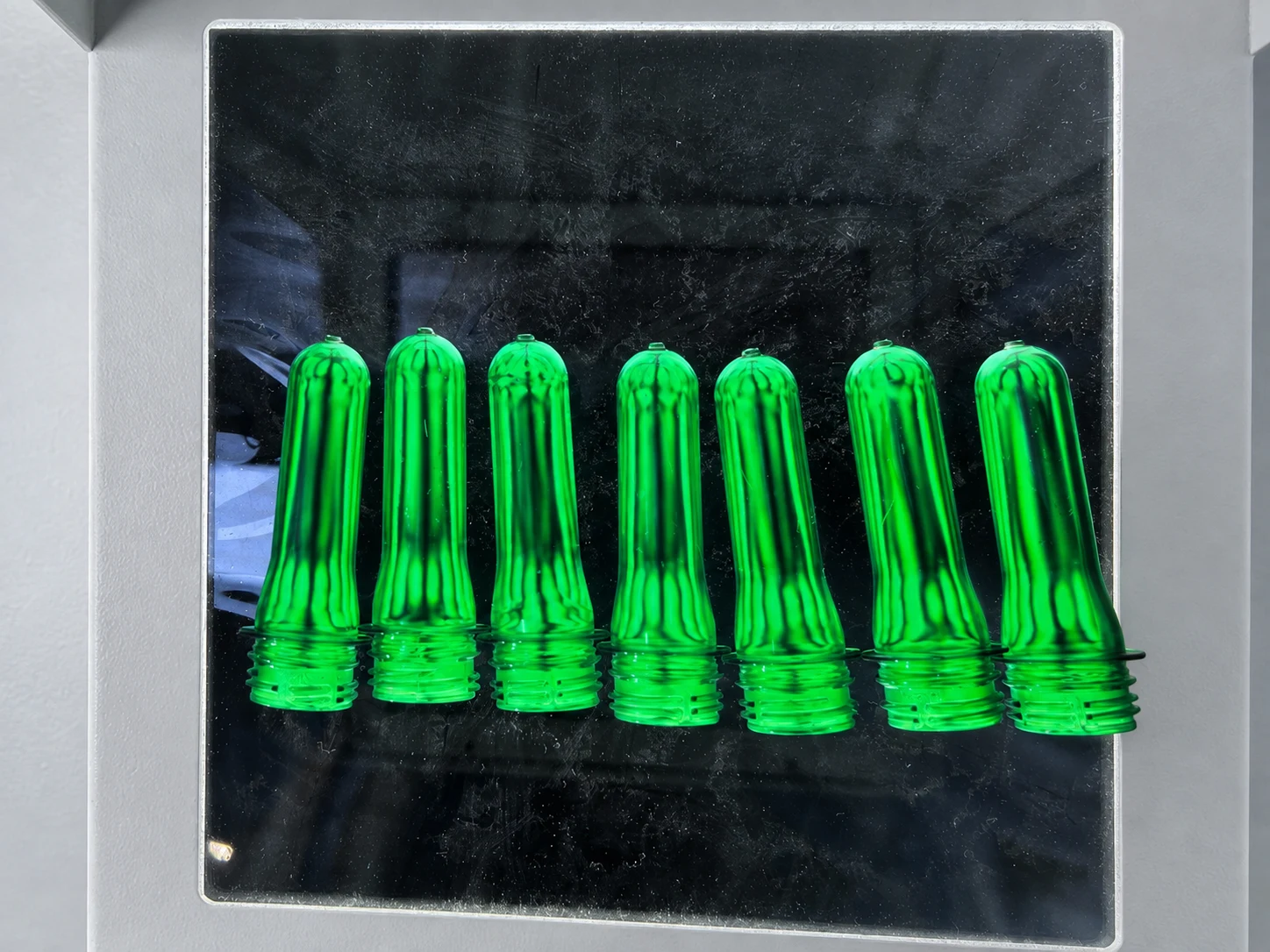
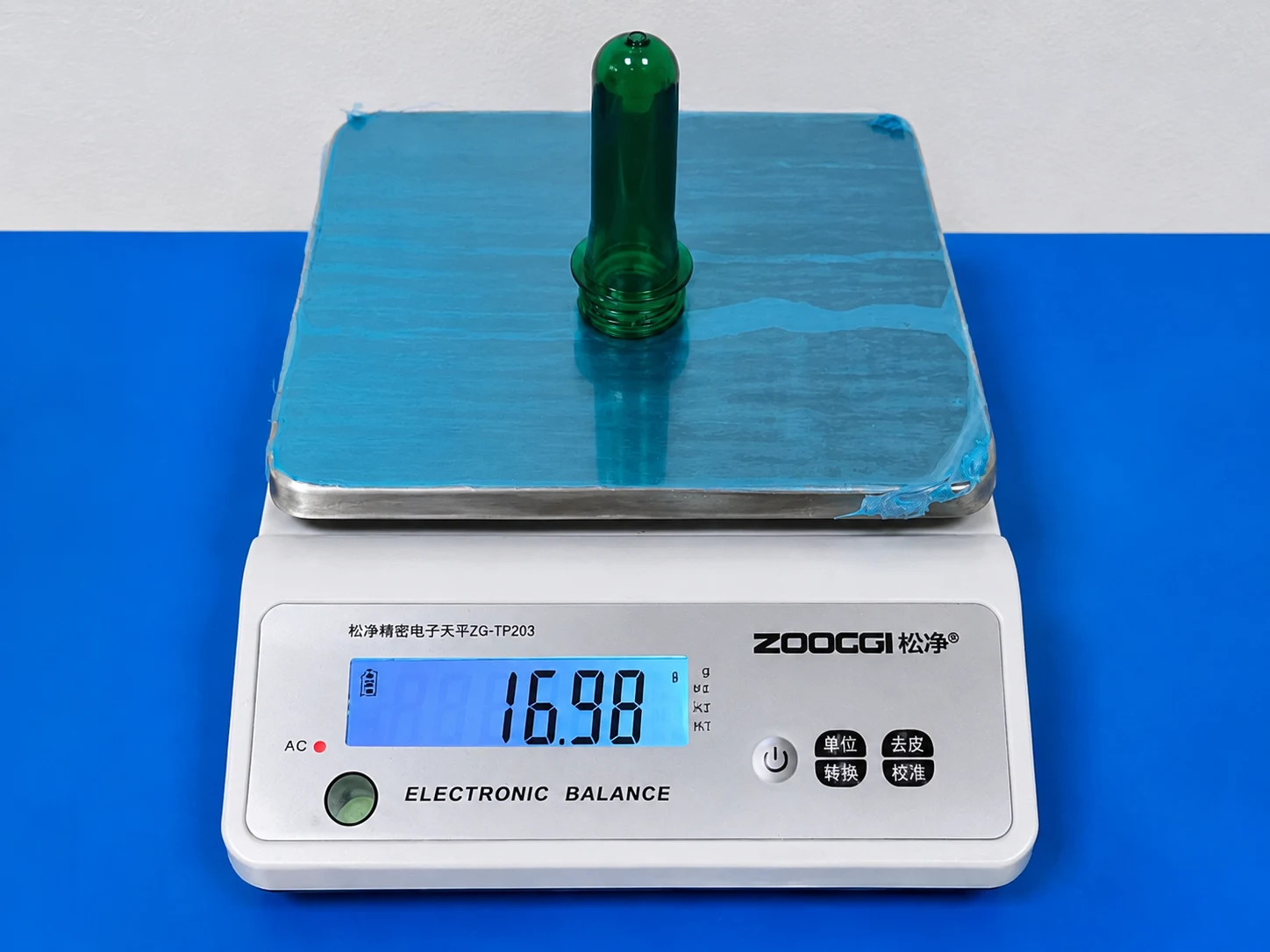
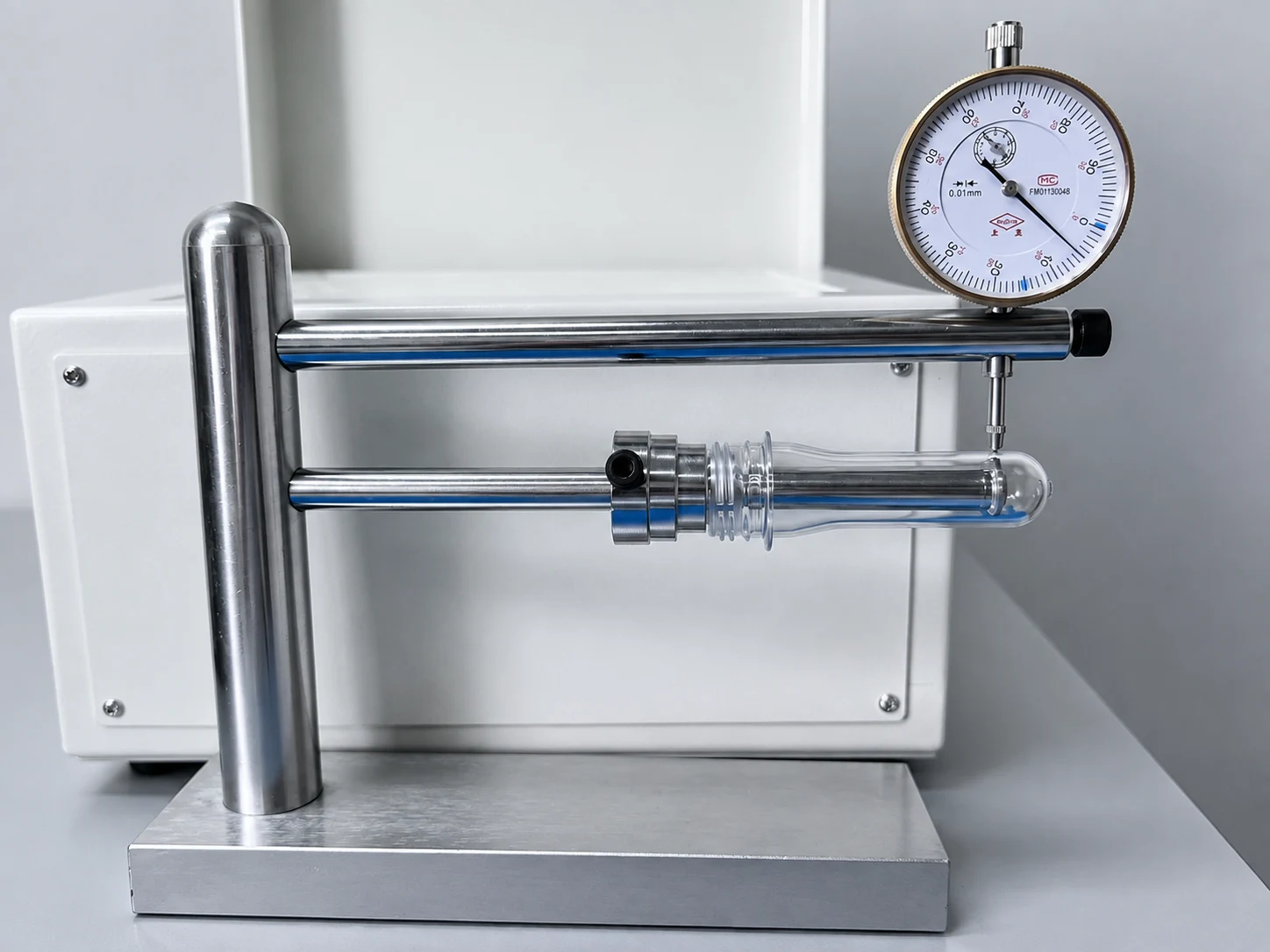
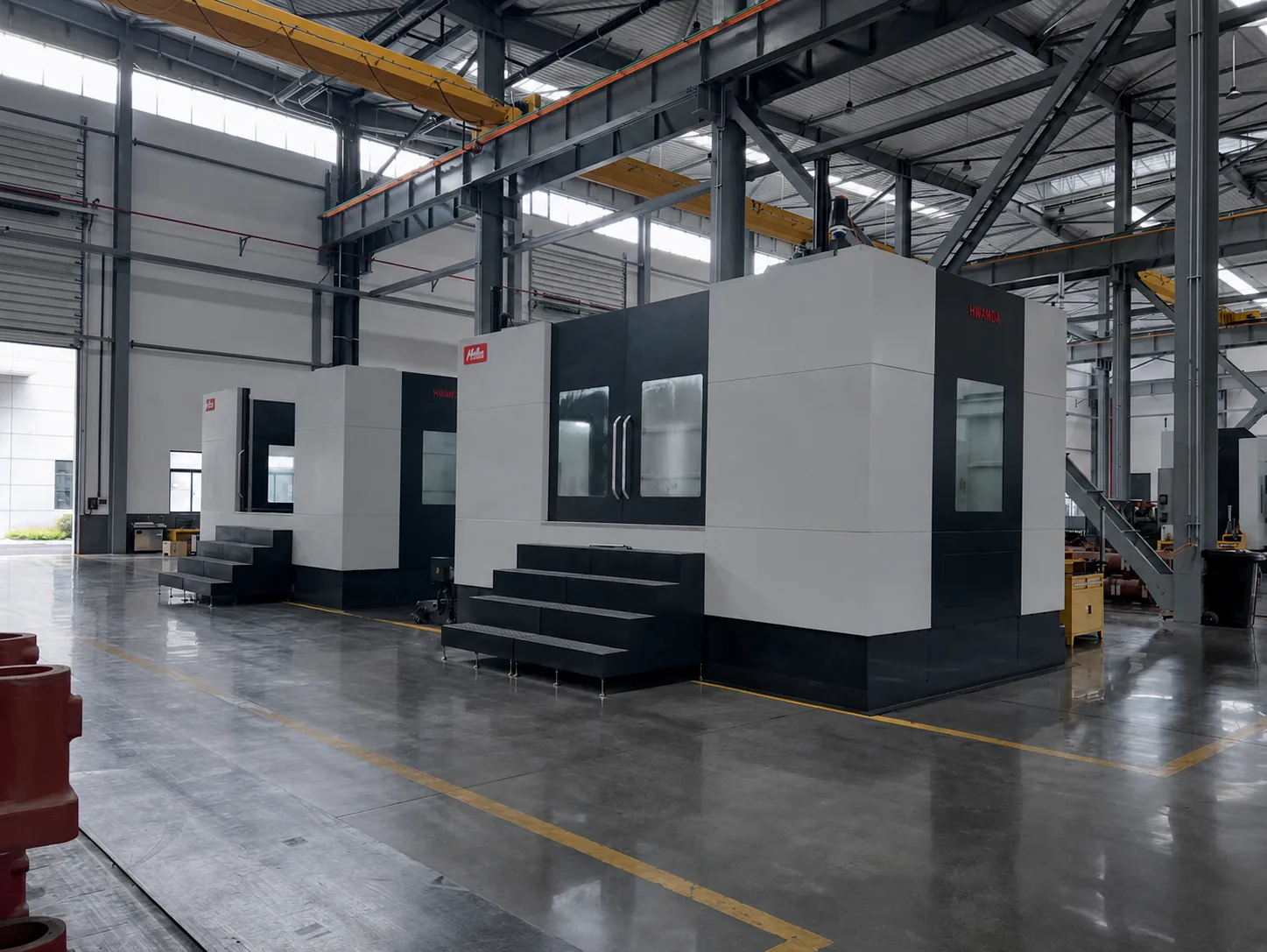
Use real manufacturing, assembly, inspection and trial evidence to evaluate the manufacturer behind the proposed configuration.
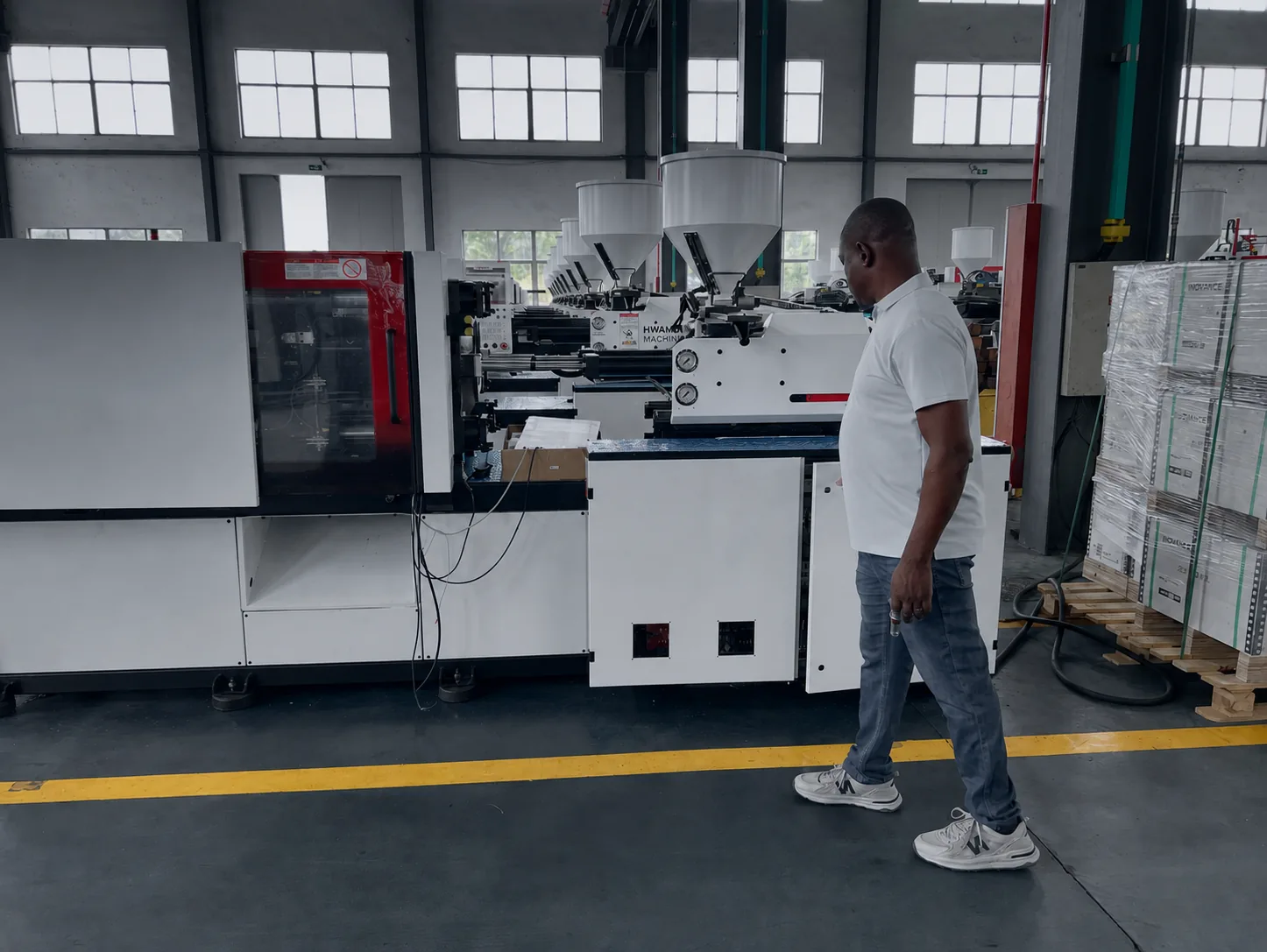
Use these answers to prepare the technical information needed for an accurate recommendation.
Selection starts with the preform, mold and output target, then verifies clamping, injection, plasticizing and utility requirements.
Send the preform weight and drawing, neck finish, mold cavity count or target output, resin, voltage and available plant utilities. Unknown values can be reviewed together.
Preform weight, cavity count, mold and cooling design, plasticizing recovery, take-out and stable quality requirements all affect the achievable cycle and hourly output.
Yes, after checking mold dimensions, platen and tie-bar fit, injection requirement, ejector, hot runner, cooling and controls.
HWAMDA can coordinate a qualified mold partner and define a combined machine, mold and trial scope.
The final list depends on resin and output; drying, dehumidifying, conveying, cooling and handling are normally reviewed.
PET is moisture-sensitive. Correct dehumidifying and drying help protect appearance, viscosity and mechanical performance during preform molding.
Yes. HWAMDA can coordinate the machine with the mold, resin preparation, cooling, dosing, compressed air and take-out equipment according to the confirmed project scope.
No. This machine injection-molds the preform. A separate blowing machine reheats and blows the preform into the final bottle.
Machine and injection unit, mold interface, auxiliaries, automation, utilities, logistics and service scope affect the final price.
Yes. HWAMDA supplies new PET preform machines for international projects, configured to the preform, mold, output target and plant utilities.
Send the basic project information first. Our sales engineer will help confirm the machine, mold and auxiliary-equipment details.