 HWAMDA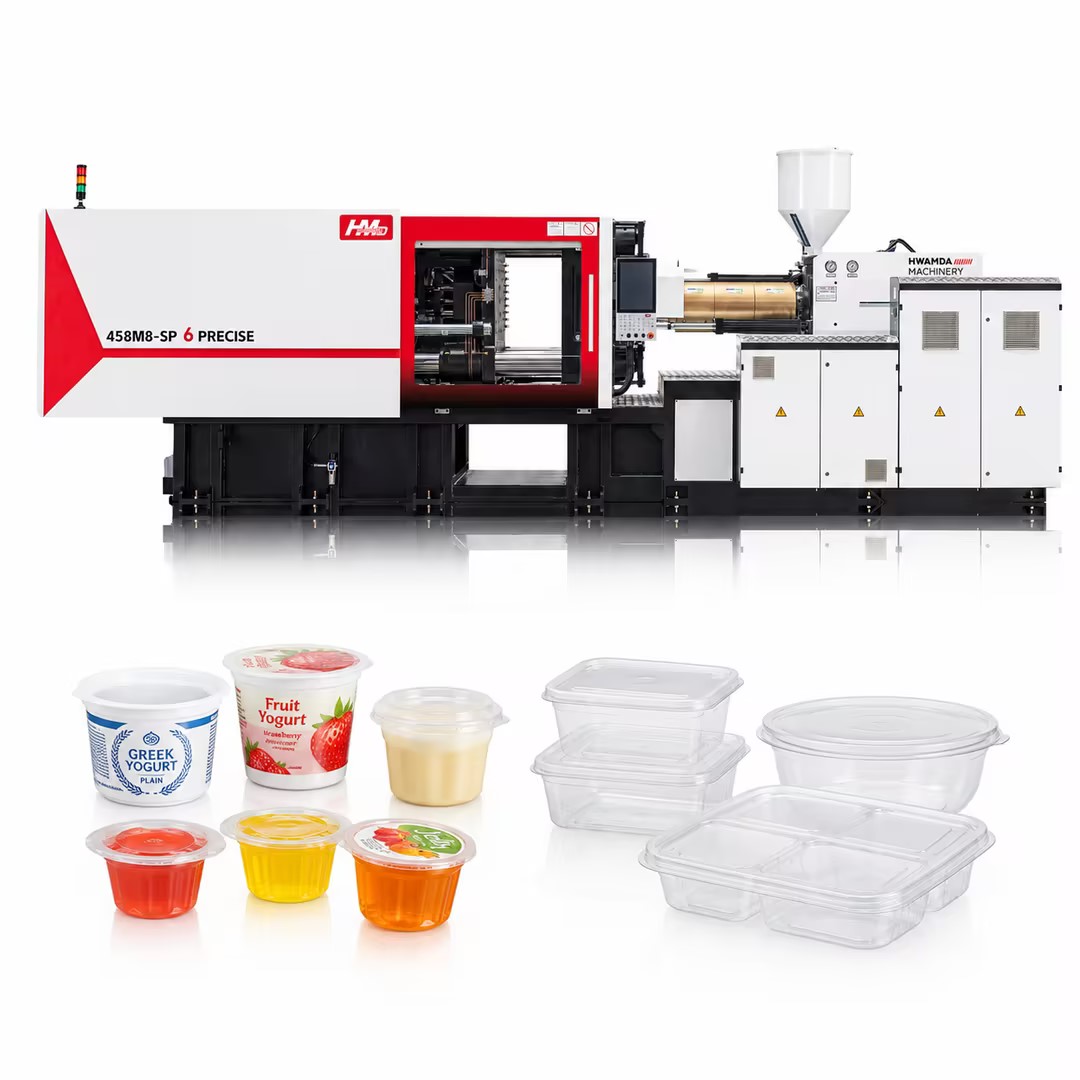
Plastic Cups
Yogurt, beverage, milk-tea and other injection-molded thin-wall cup projects.
Configure cup productionHWAMDA THIN-WALL PACKAGING ECOSYSTEM
High-speed injection molding solutions configured around thin-wall cups, food containers, molds, IML automation, cooling and the required production target.
01 / CHOOSE BY PRODUCT
Start with the finished product—not machine tonnage. Choose the closest production path, then send the actual sample or drawing.
Yogurt, beverage, milk-tea and other injection-molded thin-wall cup projects.
Configure cup production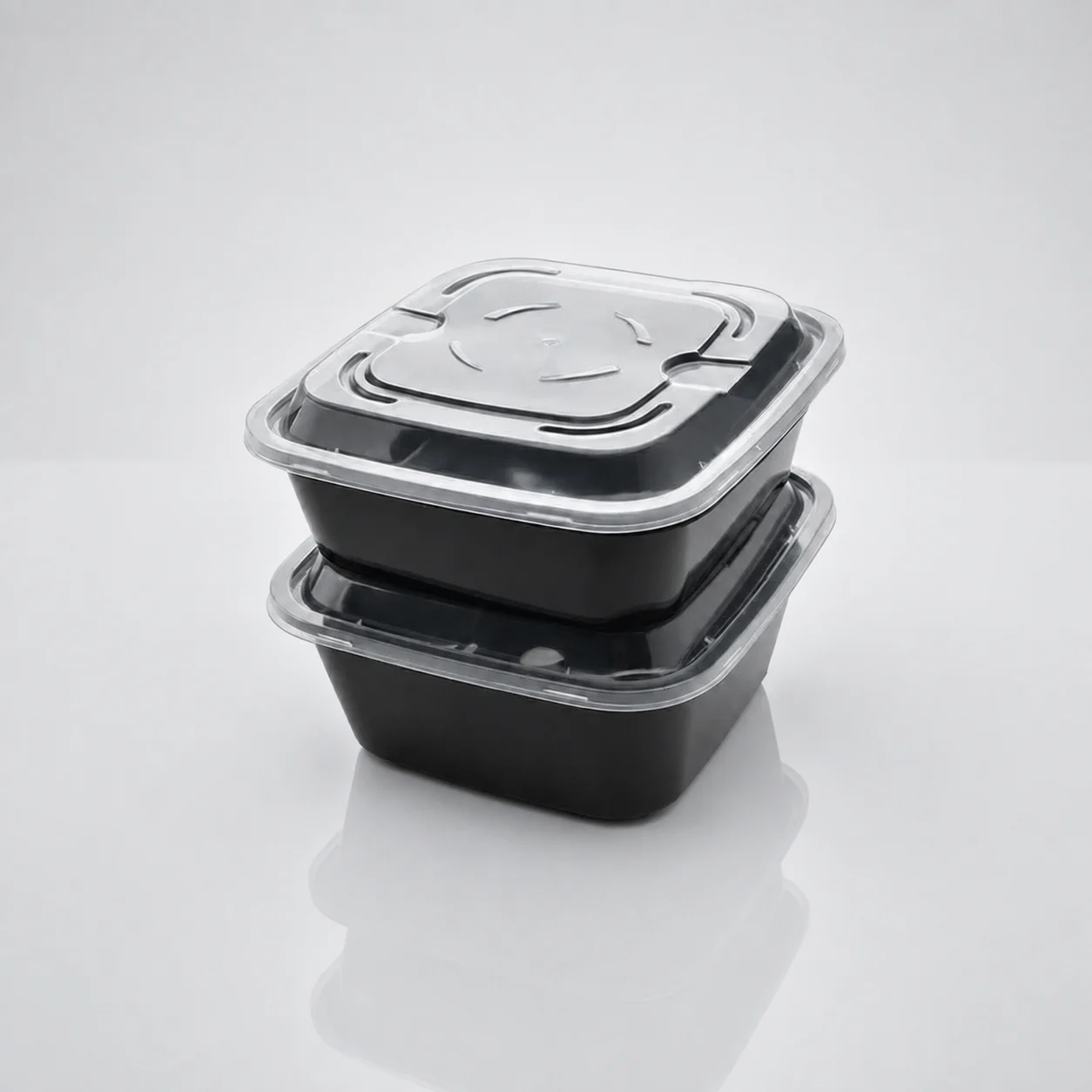
Takeaway boxes, rectangular or round containers, tubs and matching lid sets.
Configure container productionFor products that require the label, mold, robot and machine sequence to be reviewed together.
Explore the IML route02 / WHY THE COMPLETE SYSTEM MATTERS
The product, mold, filling window, cooling and take-out sequence determine whether the complete cell can support the intended production target. There is no universal wall-thickness threshold for every package.
03 / HIGH-SPEED MACHINE CORE
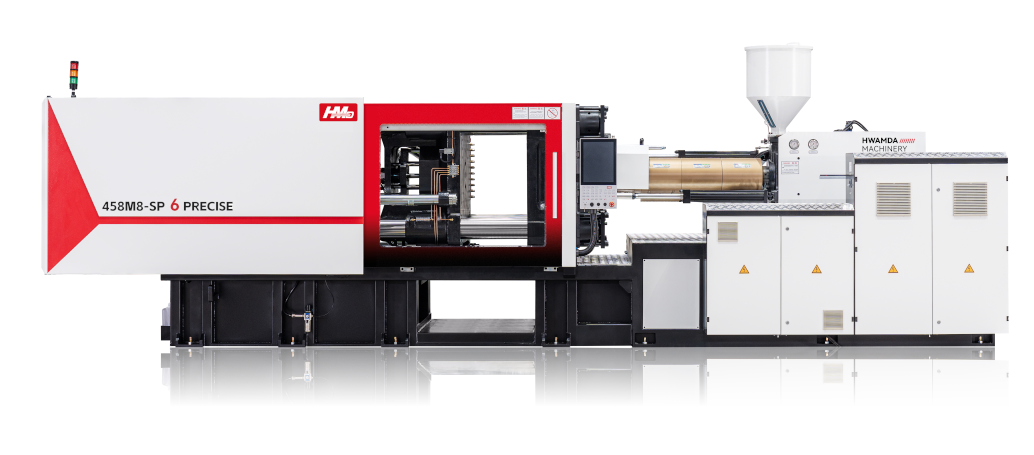
For thin-wall and high-output packaging projects, review filling response, repeatability, clamping coordination, plasticizing and automation interfaces together.
04 / PRODUCT → MOLD → MACHINE
Each input narrows the mold, machine and production-cell configuration.
05 / THIN-WALL MOLD ROUTES
Both mold paths require product-specific filling, cooling, venting, release and automation review. The dedicated pages handle the full mold-sourcing task.
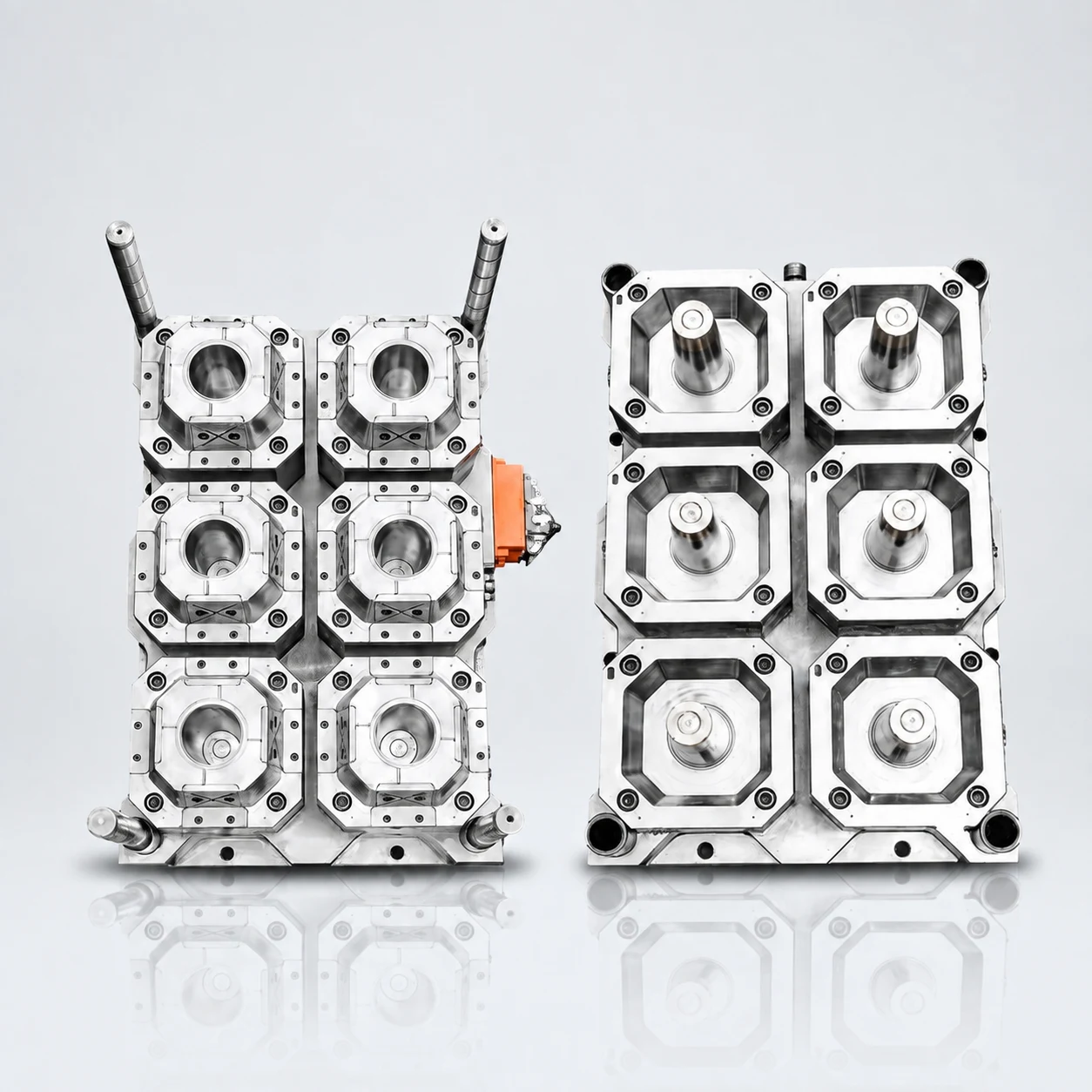
For yogurt, drink, beverage and portion-cup mold projects.
Review the cup mold route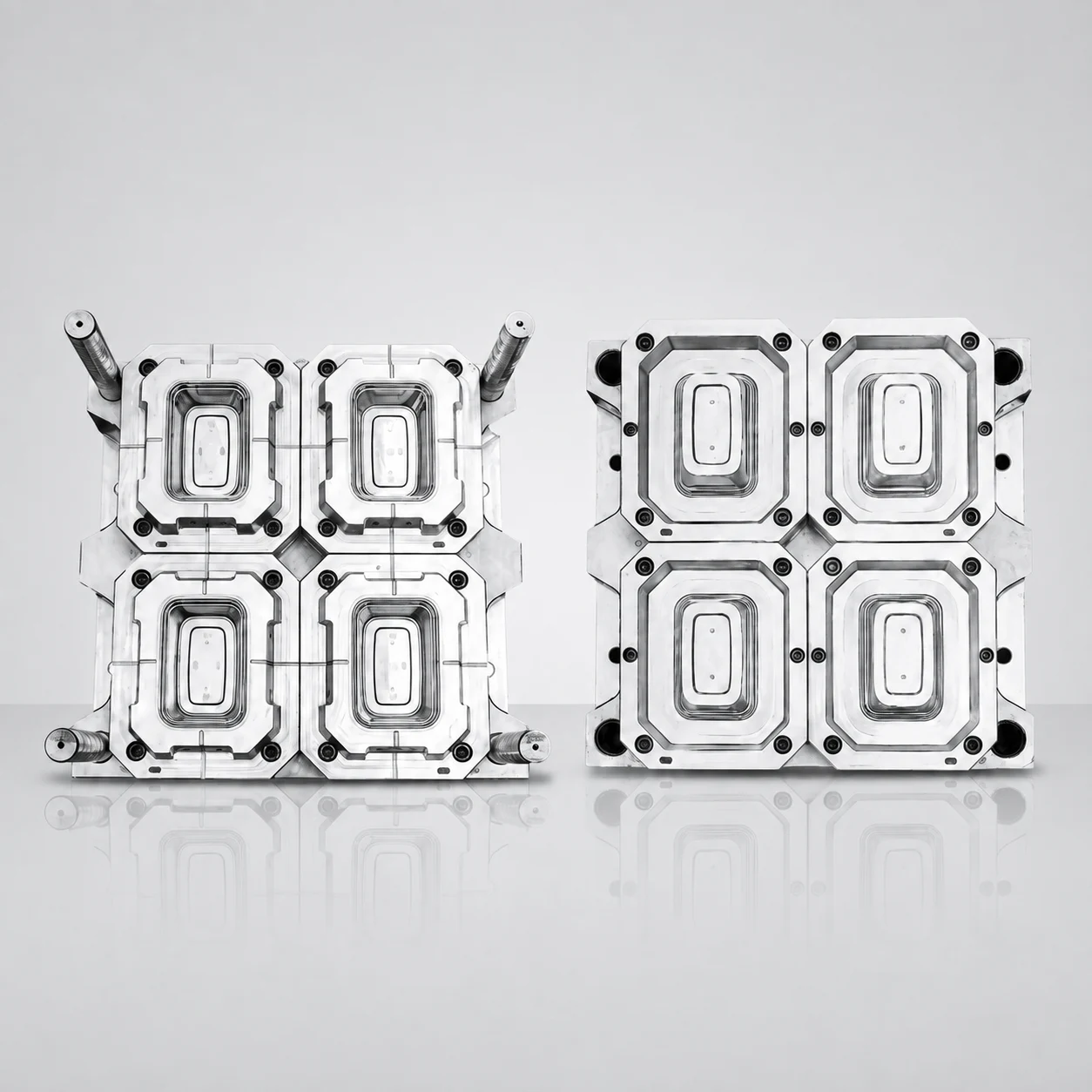
For meal boxes, rectangular or round tubs and matching-container requirements.
Review the container mold route06 / STANDARD OR IML
IML changes the mold interface, label handling, robot timing, part take-out and overall sequence.
07 / BOTTLENECKS OUTSIDE THE MACHINE
The fastest machine does not create the fastest production cell when heat removal or part handling becomes the limiting step.
Water conditions and equipment selection depend on the actual mold, resin, plant and target cycle.
08 / MATERIAL HANDLING
Drying is included only when the selected resin and process require it. Loading is configured around material consumption, machine count and plant layout.
09 / COMPLETE THIN-WALL PRODUCTION CELL
HWAMDA can configure machine selection, mold matching, automation and auxiliary requirements around the product and target production requirement.
HWAMDA high-speed machine + thin-wall moldConceptual relationship: cooling is a support loop, not a stage through which the molded product travels.
10 / THREE STARTING POINTS
Product → mold → machine → configured production cell.
Plan a new thin-wall projectSend mold dimensions, cavities and injection requirements with the intended product and target.
Check your mold with an SP6 machineAssess mold fit, cooling, material handling, automation and IML only after the machine data is reviewed.
Review an existing production setup11 / REAL THIN-WALL REFERENCES
These assets establish the relevant equipment and product categories. Project-specific performance is confirmed only with matching trial evidence.
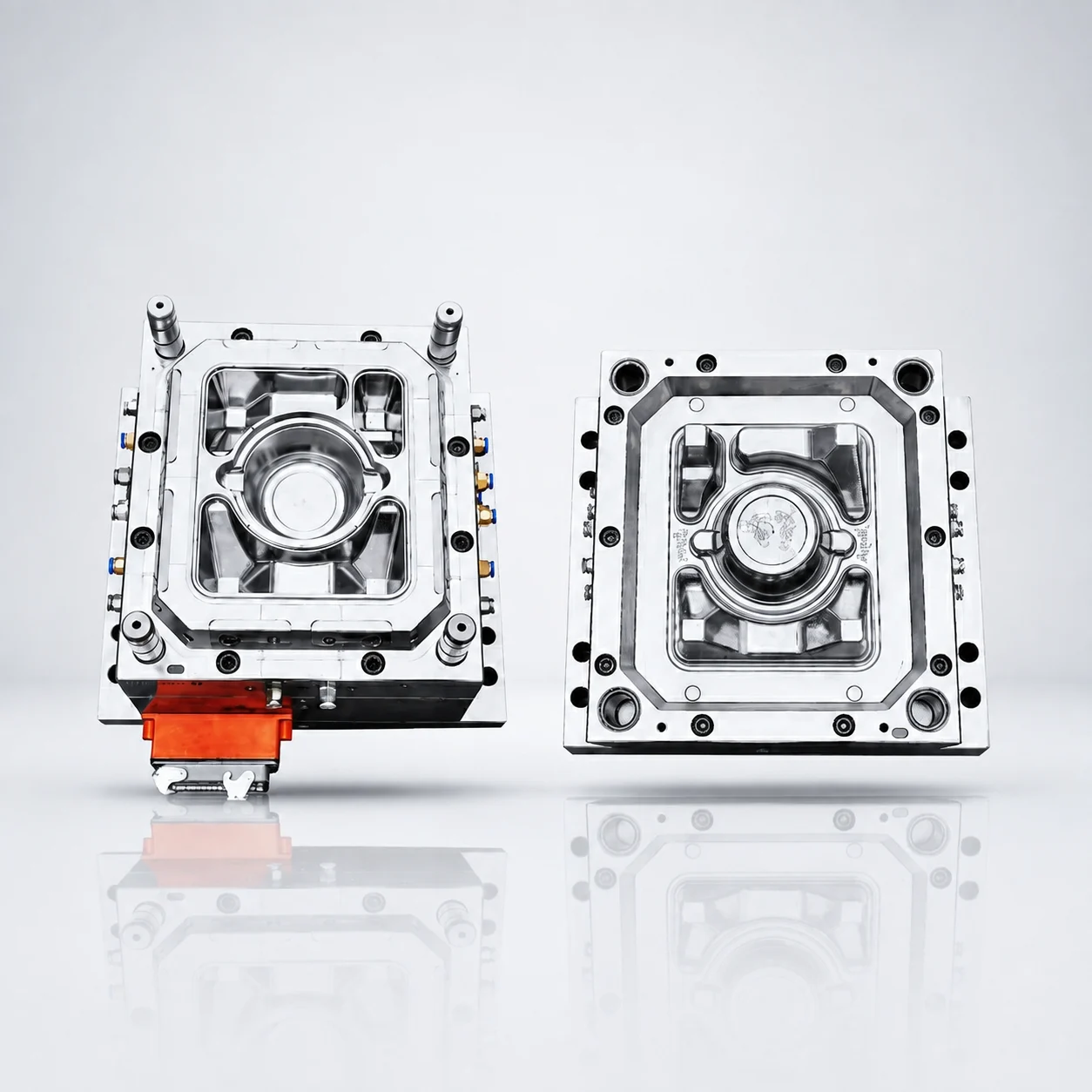
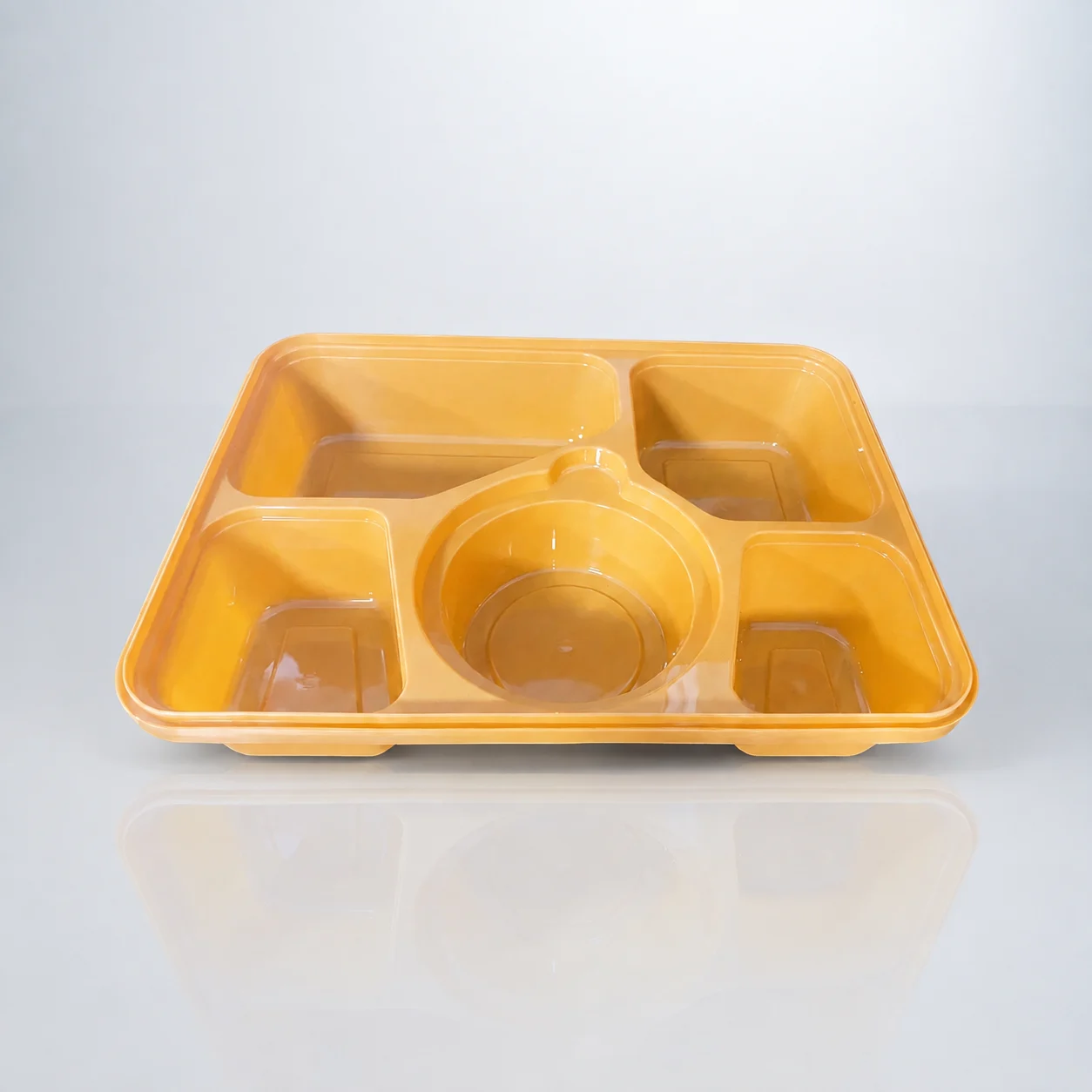
Review label pickup, mold entry, molding, take-out and the finished package as one coordinated production sequence.
Confirm the machine, mold, product, operating conditions and acceptance criteria in the project-specific trial record.
TECHNICAL LEARNING PATH
Review filling, cooling, release and machine considerations in the educational guide, then return here to configure the commercial project.
12 / BUYER QUESTIONS
This project path covers injection-molded packaging such as cups, takeaway and meal containers, round or rectangular tubs and matching lids. Suitability depends on the actual product geometry, material, wall section, flow length and production target.
Not every molded package requires a high-speed machine. The need is reviewed from the filling window, flow path, cavities, mold behavior, output target and the ability of cooling and take-out to keep pace.
As the required flow becomes more demanding, machine filling capability and mold balance become increasingly important. Cooling, release and automation must also support the intended cycle as one coordinated system.
Choose from the required product finish and commercial process. IML adds the label, an IML-compatible mold, label placement and robot timing to the machine, cooling and take-out review.
HWAMDA can coordinate machine selection, mold supply and matching, automation and auxiliary requirements around the submitted product and production target. The quotation confirms the project scope and interfaces.
Yes. Send the mold dimensions, weight, cavities, product, total shot and injection requirements if known. Physical installation and thin-wall process capability are reviewed separately.
Yes. Use the dedicated cup mold or thin-wall food-container mold path and provide the product plus the intended machine information for interface review.
Selection depends on the mold heat load, plant-water conditions, part release, required handling, IML route and target output. The same equipment bundle is not applied to every project.
Start with a product photo, sample or drawing. Add the material, dimensions, weight, wall section, target output, cavities if known, existing mold or machine data and whether IML or automated take-out is required.
13 / SEND THE PRODUCT
A photo, sample or drawing is the best starting point. Add the details you already know; machine tonnage is not required before contacting HWAMDA.